The multiport valve is the “switch” on top of a sand filter that decides which way the water flows through the system. Most models have 6 positions — Filter, Backwash, Rinse, Circulate, Waste and Winterize — each with a different purpose and its own rules for use. Anyone who understands how they work and can spot the first signs of wear will avoid needless breakdowns and cloudy water.
What the multiport valve is for
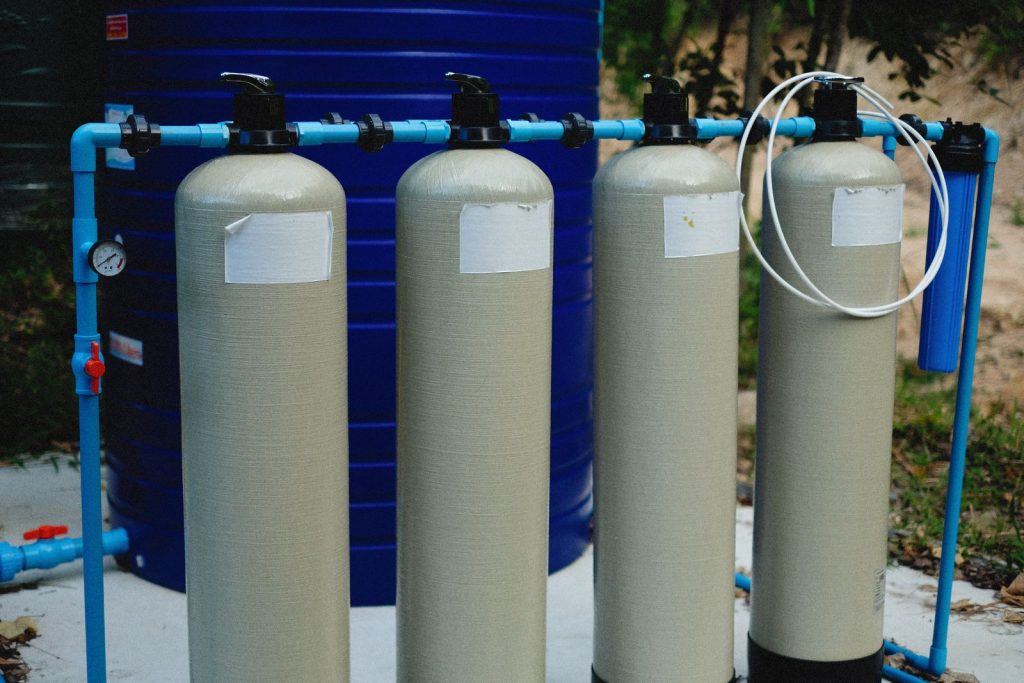
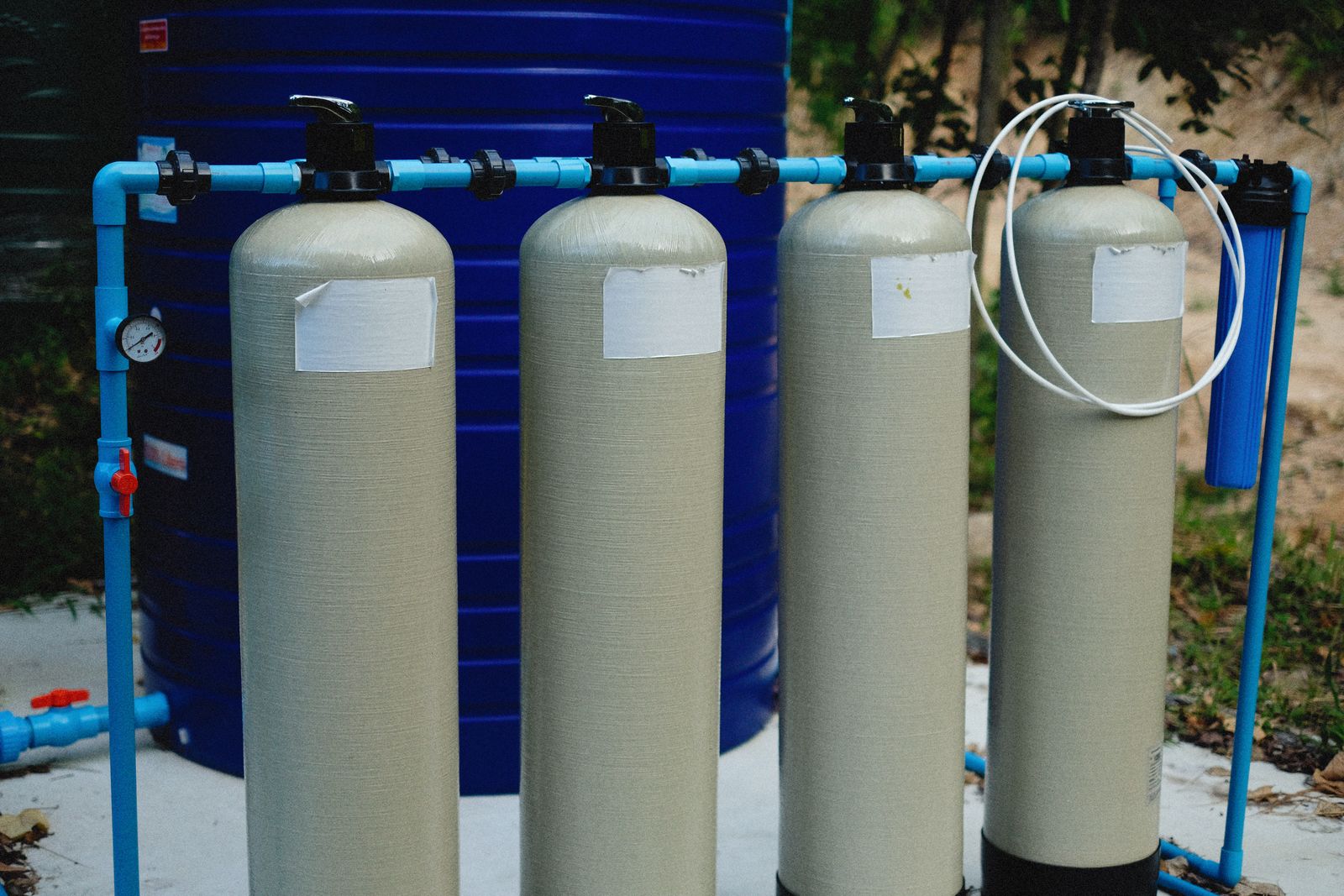
A sand filter on its own is just a tank filled with silica sand or filter glass media. The multiport valve sits on its lid and, using an internal switching plate (the so-called spider gasket, or flaps, depending on the design), routes the water from the pump either into the tank or around it — and on the outlet side, either back to the pool or to waste. Flipping a single lever changes the function of the entire filtration system without any tools.
The market standard is six positions, offered by practically all major manufacturers (Hayward, Praher, Astral and others) — they differ in design and materials, but the principle is the same for both top-mount and side-mount valves.
Top-mount and side-mount valves: what’s the difference
Depending on where they sit on the filter tank, valves fall into two basic types. The top-mount valve sits directly on the tank lid and is typical of smaller domestic filtration systems — it’s compact and easy to remove when changing the media. The side-mount valve is connected via side ports and the tank has a separate lid; it’s used more often on larger filtration systems because it allows easier access to the sand without dismantling the valve. The internal principle of the six positions is the same for both types — only the design of the sealing components and the dimensions of spare parts differ, which is why you always need to know the exact model and type of valve when ordering a replacement set.
The six multiport valve positions and when to use them
| Position | Water path | When to use it |
|---|---|---|
| Filter | Pump → down through the sand → back to the pool | Normal operation, 90% of filtration running time |
| Backwash | Reversed direction: up through the sand → to waste | Regular cleaning of the media, based on the pressure gauge |
| Rinse | Down through the sand → to waste | Briefly, always right after backwashing, before switching back to Filter |
| Circulate | Bypasses the sand tank completely | Emergency operation with a damaged standpipe, quick mixing of chemicals |
| Waste/Drain | Straight from the pool to waste, bypassing the tank | Vacuuming coarse debris, lowering the water level, initial fill-up with cloudy water |
| Winterize/Closed | The tank is isolated, the system is closed | Storing the filter over winter (only some models) |
Filter: the basic position
The filter spends most of its time in this position. Water from the pump flows from top to bottom through the layer of sand, which traps fine debris, and returns clean to the pool. We cover the daily filtration run time in detail in the article How Long to Filter a Pool Each Day.
Backwash: when and for how long
Backwashing reverses the flow of water — it draws it up from the bottom of the tank through the sand and carries the flushed-out debris straight to waste. It’s triggered in two situations: regularly as pressure rises, or as a one-off after a long shutdown or a storm with fallen leaves.
The guide for frequency is the pressure gauge on the filter head: once the pressure rises by roughly 0.2–0.3 bar above the value measured after the last backwash with clean sand, it’s time for another backwash. The duration isn’t governed by a stopwatch but by the sight glass in the waste hose or in the valve — backwash until the water in the sight glass runs clear, which is typically 2–3 minutes. A shorter backwash leaves residual debris in the tank, while an unnecessarily long one just wastes water.
Rinse: why not to skip it
Backwashing is always followed by a short rinse — water again flows down through the sand, but it still goes to waste, not to the pool. This resettles the disturbed media and flushes the last of the cloudy water out of the pipework. It takes roughly 20–30 seconds. Anyone who skips the rinse and switches straight to Filter sends the first batch of cloudy backwash water into the pool.
Circulate: running without the sand
In the Circulate position, water cycles between the pump and the pool but completely bypasses the sand tank — there’s no filtration, only circulation. It’s used in two situations: as an emergency solution when the central standpipe inside the tank is damaged (which would otherwise blow sand into the pool during filtration), or briefly to quickly mix a shock dose of chemicals throughout the whole volume of water.
Waste: bypassing the tank, straight to drain
The Waste (Drain) position sends water from the pool straight to waste without passing through the sand. It’s useful for vacuuming coarse debris off the bottom (leaves, sand after a storm) — so the filter media doesn’t get clogged with unfilterable coarse dirt — and also for controlled lowering of the water level, for example before a repair or before winterizing.
Winterize: only on some models
Not every valve offers a Winterize/Closed position. Where it exists, it isolates the filter tank from the rest of the pipework to prevent the water path from accidentally opening outside the season. On valves without this position, the tank is usually just drained for winter and left open. You’ll find the full procedure in the article Winterizing a Pool Step by Step.
Most common multiport valve faults
The multiport valve is a mechanical component that wears out through its seals, not its electronics — so most faults have a similar character: something is leaking, or something has jammed.
Water leaks from the top or sides of the valve
A leak where the lever or the valve lid sits on the body usually points to worn O-rings (sealing rings on the lever shaft or between the lid and the valve body). These are rubber parts that lose elasticity and dry out over time, especially if the filter stands out of season without water. The fix is to replace them with a new O-ring of the correct size and lubricate it with silicone grease.
Water seeps from the bottom of the valve to waste even in the Filter position
If water drips into the waste hose even during normal operation, the culprit is usually a damaged spider gasket inside the valve — a flat rubber disc that separates the individual channels. Cracks or deformation in the disc cause the water paths to partially mix. Repairing it requires disassembling the valve and replacing the disc with a new one of the same type.
The lever is stiff, sticks, or won’t switch
A stiff or jammed lever is usually caused by limescale or debris buildup inside the mechanism, or by a damaged (bent or cracked) internal mechanism after being switched while the pump was running. Gently loosening and lubricating the mechanism helps; if the lever still sticks after cleaning, it’s generally mechanical damage and the internal parts or the whole valve need replacing.
Leaking between two positions at once
When the valve doesn’t seat exactly in a position and water flows through two channels at the same time (you’ll typically notice this because a bit of water goes to waste even in the Filter position), the most common cause is a worn packing or seal on the lever shaft. Check that the lever is snapped exactly onto the position mark — on some models it just needs a gentle extra push. If the problem persists even in a precisely set position, it’s wear, and servicing is needed.
Basic maintenance even a non-professional can handle
- Always switch off the pump before changing position. On the vast majority of multiport valves, switching while running risks damaging the spider gasket under high water pressure — the pressure in the system must first drop to zero.
- Lubricate the O-rings with silicone grease once or twice a season, ideally at spring start-up and autumn winterizing. Silicone grease is non-aggressive toward rubber and extends the seals’ lifespan.
- Check the pressure gauge regularly — it’s the fastest way to spot clogged sand as well as a possible problem inside the valve.
- Never force the lever if it sticks. Switch off the pump, check the pressure (it should read zero) and try again gently; force will damage the mechanism permanently.
- Drain the tank and valve before winterizing, or set it to the Winterize position if the valve offers one — water frozen inside the valve can crack the body even in mild frost.
- Check the lever position visually, not just by feel — on some models the lever can snap “between” two positions without it being obvious at first glance, and this is the most common cause of a mysterious leak to waste even during seemingly normal operation.
- Buy spare parts based on the exact valve model, not by guesswork — the dimensions of O-rings and spider gaskets vary between manufacturers and series, and a seal that doesn’t fit properly won’t last long.
Minor valve maintenance is one of the few things on a sand filter you can safely do yourself. But if you’re not sure about disassembly, or the fault keeps recurring even after replacing the seals, it’s wiser to leave the valve to a service technician — an incorrectly reassembled mechanism can damage the filter tank itself if switched while running.
Frequently asked questions
How often should I backwash?
Don’t go by the calendar, go by the pressure gauge: backwash once the pressure rises by roughly 0.2–0.3 bar above the value after the last backwash. In practice, for a typically used pool this works out to roughly once every 1–2 weeks during the season, but it depends on how dirty the water gets and how intensively the pool is used.
What happens if I switch the valve while the pump is running?
On most designs, this risks damaging the spider gasket or the internal mechanism — water under pressure tries to force its way through a position that isn’t yet fully open, straining the disc or flaps beyond their design limits. Always switch off the pump first and wait until the pressure drops to zero.
Water is dripping from the valve even when the pump isn’t running. Is that serious?
A leak even at rest usually means worn O-rings or a worn spider gasket inside the valve — it’s not an immediate threat to operation, but without a repair the leak gradually gets worse and increases both water consumption and pressure loss in the system. Replace the seals at the next opportunity.
Can I repair the multiport valve myself, or do I need a service technician?
A handy do-it-yourselfer with basic tools and a replacement seal from the valve manufacturer can manage replacing the O-rings and lubricating them. Replacing the spider gasket or the internal mechanism already requires disassembling the entire valve and precise knowledge of the specific model’s design — here it’s worth either following the manufacturer’s manual or calling in a service technician.
What’s the difference between Circulate and Filter?
In Filter, water passes through the sand and gets cleaned. In Circulate, it bypasses the sand tank completely — the water just cycles between the pump and the pool without being filtered. Circulate is used only briefly, for example with a damaged standpipe inside the tank or to quickly mix in chemicals.
You’ll find replacement O-rings, spider gaskets and complete multiport valves for sand filters in our structural and spare parts category, and pumps and filtration technology in the pool technology section. If you’re considering a different type of filtration altogether instead of replacing the valve, read the comparison in the article Sand, Cartridge, or Glass Filtration?, or browse other topics in the Advice Center.