The decision between fixing something yourself and calling a service technician can be simplified to three questions: is it safe without expert knowledge, do I have the tools and the part, and what happens if I get it wrong. The answers across typical pool and hot tub faults can be summed up in a simple guide.
Safe to do yourself
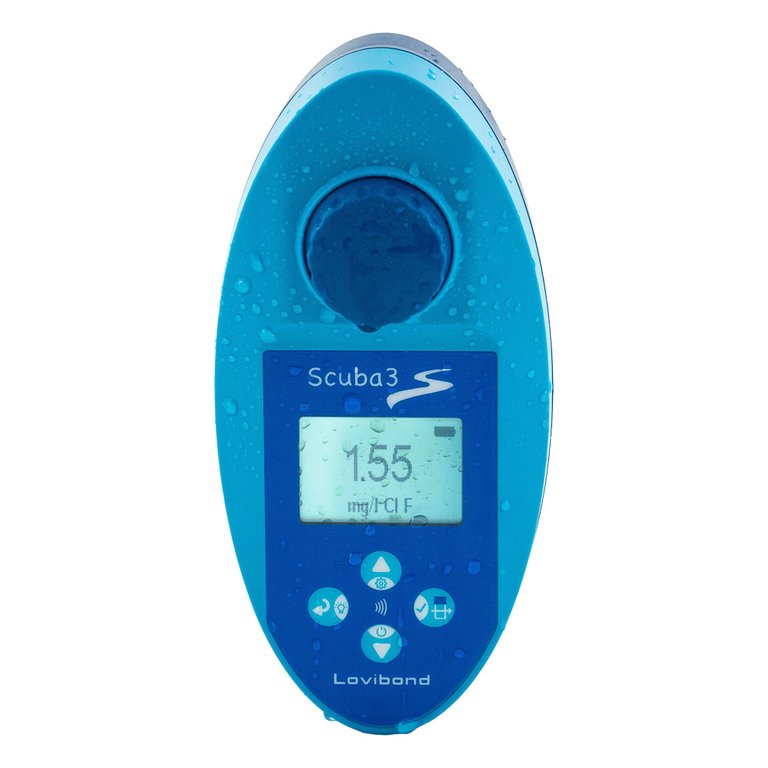
- Chemical water treatment — dosing chlorine, pH, algaecides based on a tester and instructions.
- Cleaning and replacing the filter cartridge — mechanical work with no electrical involvement.
- Replacing O-rings and the mechanical seal — after switching off and disconnecting the pump from power, with valves closed.
- Replacing the impeller — a mechanical task, provided the pump is safely disconnected from the mains.
- Vacuuming the floor and cleaning the walls, checking and cleaning the skimmer.
Consider a service technician if you lack experience
- Replacing a capacitor or any other work on the electrical wiring under voltage near water — the risk of electric shock is real even after switching off, until the capacitor is safely discharged.
- Diagnosing the control unit and error codes, if the cause isn’t clear from the manual — risk of needlessly replacing an expensive board instead of the actual, cheaper culprit (a sensor, a connector).
- Replacing motor bearings — requires press-fitting and precise tolerances; a mistake damages the shaft.
- Working with heat pump refrigerant — in many countries this legally requires professional qualification and certification.
Always call a service technician or an electrician
- The hot tub repeatedly trips a residual current device — a sign of possible current leakage into the water, a safety risk that shouldn’t be handled DIY.
- Cracks or leaks in the construction, shell, or a concrete tank — structural damage needs professional assessment of the extent.
- Any repair where you’re unsure whether the part you identified actually addresses the cause, not just a symptom.
A simple decision test
Before intervening, ask yourself three questions: Does this require work on mains voltage that I can’t safely disconnect and verify? Is my lack of experience with this specific part (bearings, refrigerant) a real risk of damaging a more expensive component? Is it a safety feature (residual current device, structure) where a mistake risks health, not just comfort? If the answer to any of these is yes, a service technician is the better choice over saving on your own labour.
FAQ
Does calling a service technician save time even if I could theoretically do it myself?
Often yes for complex diagnostics — an experienced technician identifies the cause from symptoms faster than a layperson trying things one by one, which overall saves money too by avoiding unnecessarily replaced parts.
Will I break something by attempting a simple repair and getting it wrong?
For mechanical tasks (seal, O-rings, cartridge), the risk is low if you follow the basic procedure and disconnect power safely first. For electrical work and refrigerant, the risk is significantly higher and a service technician is recommended.
How do I recognise a good service company?
By their willingness to explain the diagnosis, a specific price quote before starting work, and experience even with models they never sold themselves — covered in more detail in the article on spare parts availability and service.
Spare parts for DIY repairs are in the pool technology and structural parts categories. More articles on service and maintenance are in the Guides section.