Electrical wiring around a pool is an environment where water, humidity, and electricity meet permanently, not occasionally. Waterproof cable glands, distribution boards, and junction boxes are exactly the parts often skimped on first — and yet they’re precisely the part of the installation where failure means a safety risk, not just inconvenience.
Why an ordinary gland isn’t enough
Standard electrical glands designed for dry indoor spaces aren’t tested for constant humidity, splashing water, or outdoor temperature swings. Over time the rubber seal ages, hardens, and stops sealing — moisture then enters the box or panel, causing contact corrosion and, in the worst case, a short circuit.
What actually pays off around a pool
- Ingress protection (IP rating) matching the location — an outdoor panel by the pool needs a higher water and dust protection rating than a standard indoor installation, ideally with margin above the bare minimum for that location.
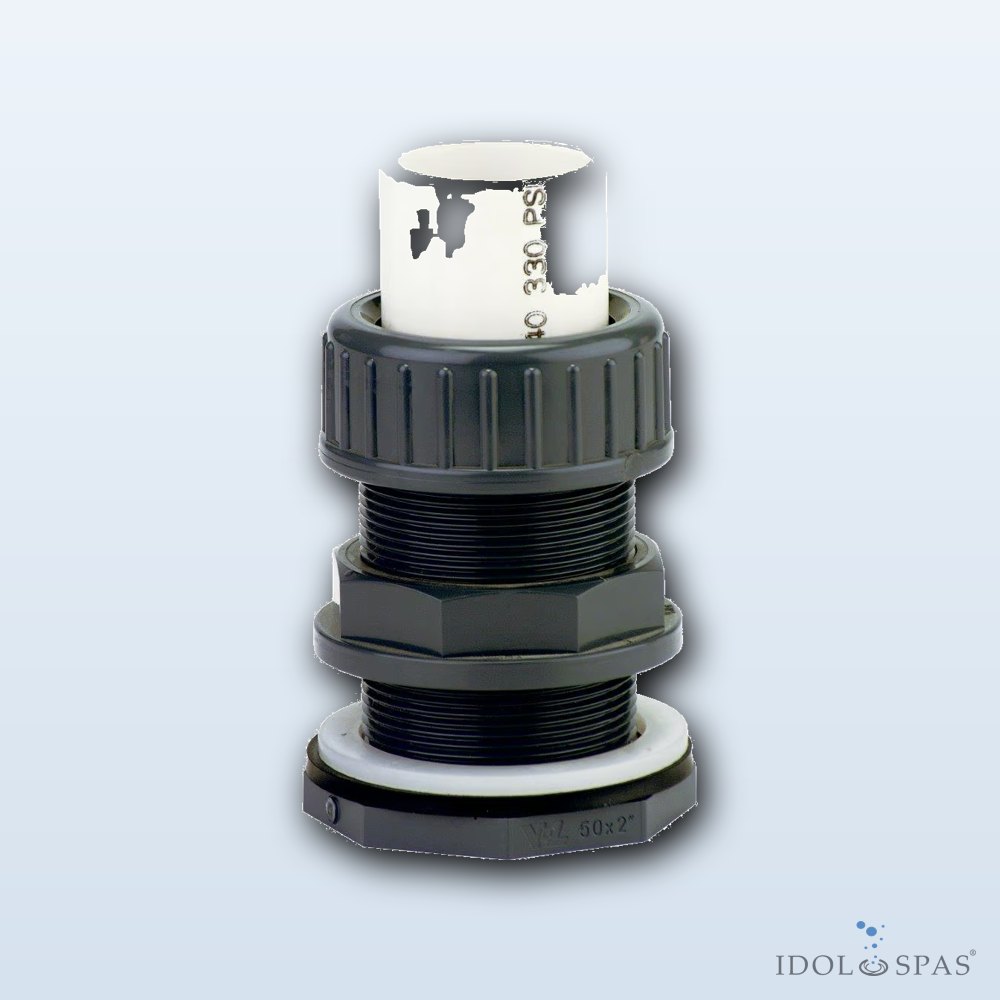
- Cable glands with a sealing insert matching the cable diameter exactly — an oversized gland with extra packing stuffed in is one of the most common spots for a later leak.
- Panel placement away from direct splash exposure, even when the rating is declared waterproof — mechanical protection through positioning always beats relying on the seal alone.
- Regular visual inspection of seals — hardened, cracked, or shrunk rubber is a signal to replace it before it actually starts leaking.
Typical mistakes that only show up on failure
The most common is using an indoor junction box outdoors “because it was on hand” — it looks fine for months until the first prolonged rain or watering reveals insufficient sealing. The second is running a cable into the panel from below without a drip loop — water then runs straight down the cable into the gland instead of dripping off away from it.
FAQ
How do I know a panel by the pool has adequate protection?
The ingress protection (IP) rating is usually shown on a label inside or on the panel’s nameplate — for outdoor placement by a pool, it’s worth choosing a higher class than the bare minimum for that type of space.
Is it enough to just cover the panel against rain?
A roof helps but doesn’t replace proper sealing and rating — splashing water from the pool or humidity from moist air reaches even under a shelter.
Who’s allowed to do this kind of installation?
Work on electrical wiring in a damp environment should always be done by someone with the appropriate electrical qualification — it’s a safety-critical part of the installation, not ordinary DIY work.
Waterproof panels and installation accessories are in the pool technology category. More articles on pool safety and technology are in the Guides section.