Copper-silver ionization is an alternative disinfection method for pool and hot tub water that works on a different principle than chlorine or bromine — instead of oxidizing organic matter, it releases metal ions with antimicrobial properties into the water. It’s not a full replacement for chlorine, more a supplementary system that significantly reduces how much of it you need.
How the system works
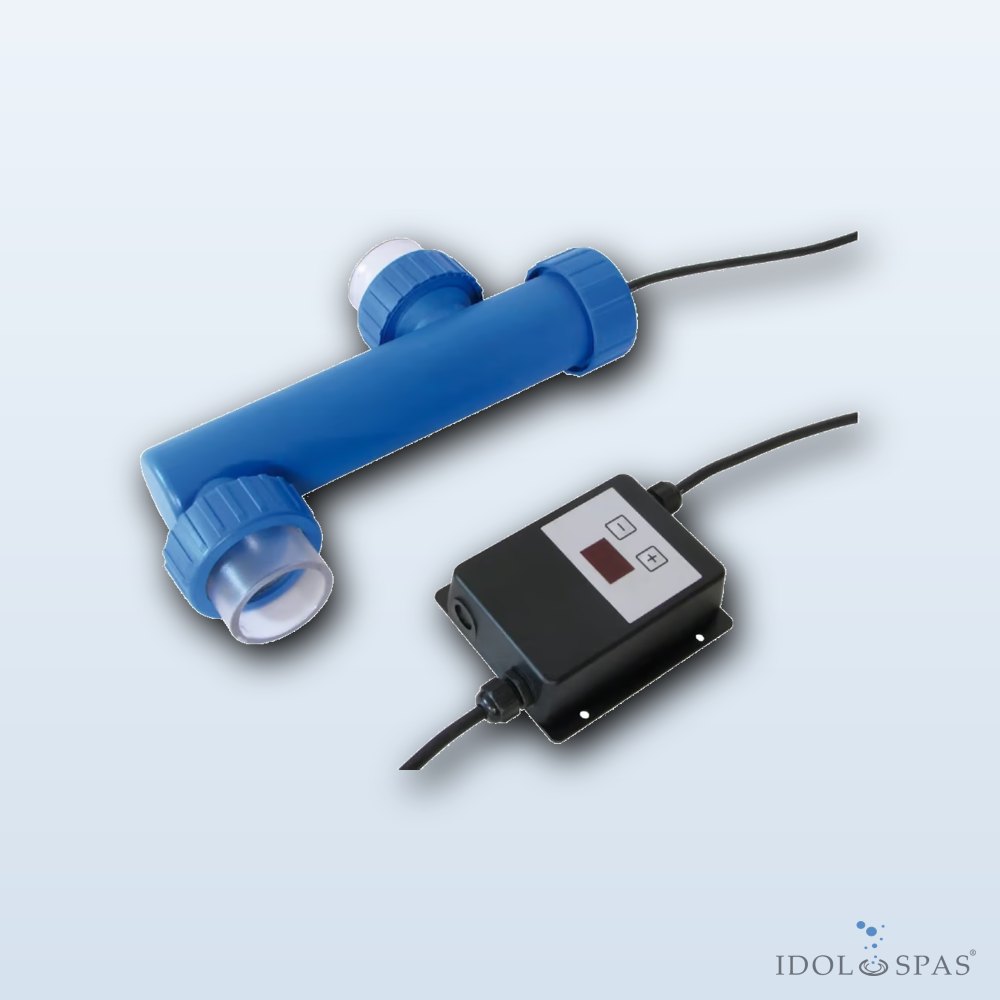
An ionizer contains copper and silver electrodes (or copper alone), through which a weak direct current passes. Through electrolysis, metal ions are released into the water — copper acts mainly against algae, silver against bacteria. The ions stay active in the water longer than chlorine and aren’t broken down by UV in the same way.
Why it won’t replace chlorine entirely
Metal ions can’t oxidize organic contamination (sweat, cosmetics, urine) as effectively as chlorine, and they don’t react quickly enough to sudden loads (a storm, a big crowd of swimmers). That’s why ionization is combined with a low maintenance dose of chlorine or bromine — the result is a system where classic disinfectant use drops significantly, often by tens of percent, but doesn’t disappear entirely.
Advantages and limitations
- Advantage: substantially lower chlorine use, a softer feel on the skin, less eye irritation.
- Advantage: copper suppresses algae growth long-term, even in hard-to-reach corners of circulation.
- Limitation: at high copper concentration, there’s a risk of a greenish tint on light-coloured hair or staining on light surfaces — recommended concentration must be kept and tested regularly.
- Limitation: the electrodes gradually wear out and need replacing, similar to a salt cell.
Who the system makes sense for
Ionization pays off especially for pools with sensitive users (chlorine allergies, sensitive skin) or where the owner wants to reduce classic chemical use long-term and is willing to invest in the upfront technology and regular metal-concentration testing.
FAQ
Can ionization be combined with a salt chlorinator?
Yes, the two systems solve different problems (a salt cell produces chlorine, ionization adds the antimicrobial effect of metals) and are commonly combined in practice.
How often is copper and silver concentration tested?
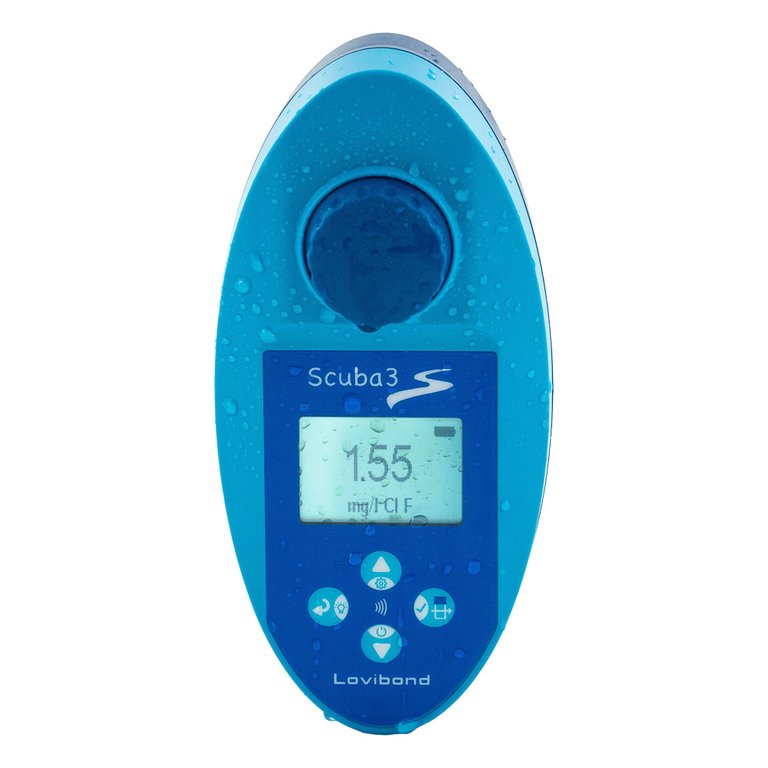
With dedicated testers roughly once every two weeks in season, more often for a new system until a reliable dosing routine is established.
Does ionization always discolour the pool or hair?
No, discolouration only occurs at a long-term excessive copper concentration — with recommended values maintained, the risk is minimal.
Ionization systems and copper/silver testers are in the water treatment category. More articles on pool chemistry are in the Guides section.