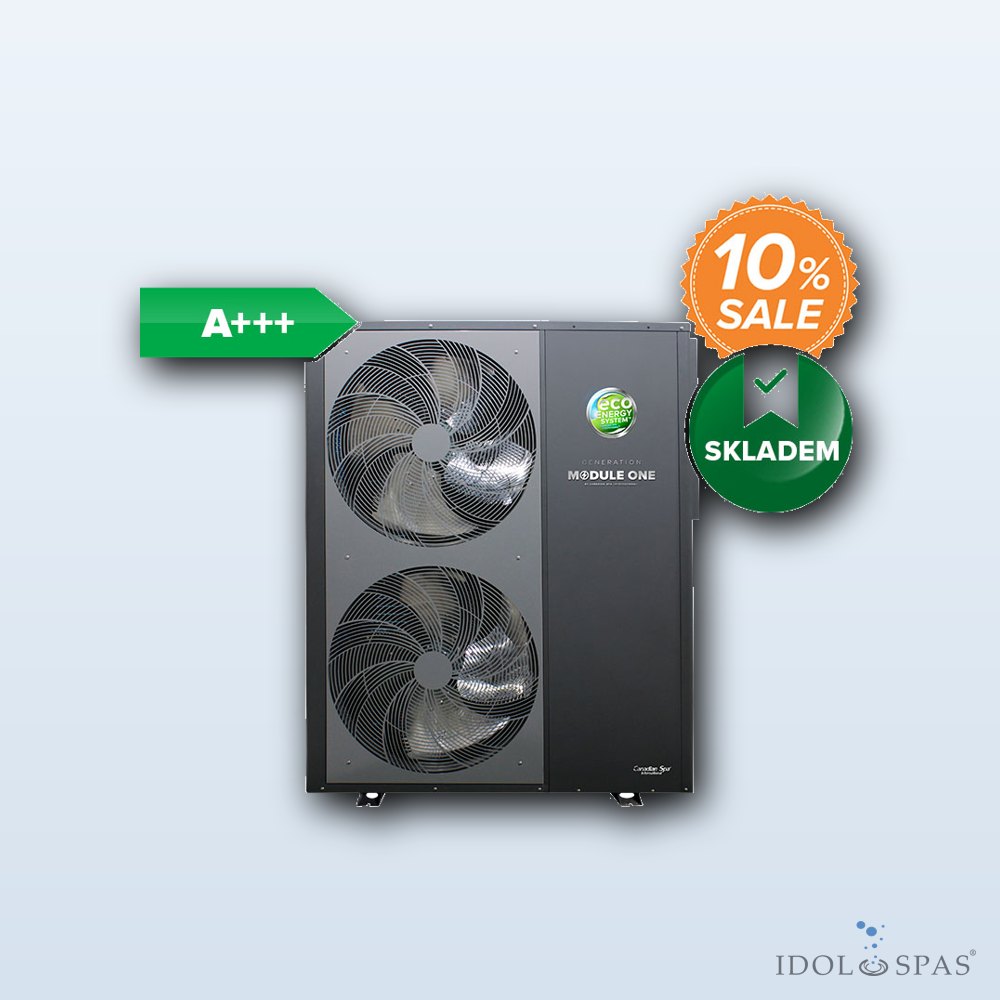
The heat exchanger of a heat pump is the part where heat transfers from the refrigerant into the pool water. A crack in the exchanger is among the more serious heat pump failures — unlike an electronics fault, it’s handled differently, and recognising the symptoms early saves further damage.
How a crack in the exchanger develops
The most common cause is corrosion of the exchanger material from chemically unbalanced water (incorrect pH, high chlorine content, aggressive minerals) combined with long-term operation. The second cause is water freezing inside the exchanger due to insufficient winterisation — expanding ice can mechanically damage the exchanger. More rarely, it’s a material manufacturing defect that only shows up after years of operation.
Signs of a cracked exchanger
- Refrigerant leak — heating output drops, the heat pump runs but doesn’t warm the water enough.
- Bubbling or hissing from the unit that wasn’t there before.
- Icing on the unit outside the normal defrost cycle, or conversely unusually frequent defrost cycles starting.
- An error code on the display indicating low refrigerant pressure or a circuit fault, depending on the manufacturer.
What to do if you suspect a cracked exchanger
Turn off the heat pump immediately and disconnect it from power — operating it with a damaged exchanger can lead to further refrigerant leakage and worse damage. Working with refrigerant (topping up, repairing a leak, replacing the exchanger) legally requires professional qualification and certification in many countries — this isn’t a DIY repair.
Repair or replace the whole heat pump
As with other expensive components, the rough half-price rule described in the article on deciding between repair and new equipment applies — for an older heat pump with a cracked exchanger, it’s often worth considering full replacement, especially if the unit is near the end of its typical lifespan or if newer models offer significantly higher efficiency.
Prevention going forward
Keep water chemistry within the recommended range (aggressive water accelerates exchanger corrosion), ensure proper winterisation before the first frosts, and have the heat pump serviced regularly, even if it visibly works without problems.
FAQ
Can a cracked exchanger be welded?
Theoretically yes for some types of damage, but in practice it requires a certified workshop qualified for refrigerant work — a DIY repair isn’t safe or legal in most countries.
How long does a heat pump exchanger last?
With correct water chemistry and winterisation, typically many years; exact lifespan varies with exchanger material and intensity of use.
Does a cracked exchanger show up on the electricity bill?
Yes, indirectly — a heat pump leaking refrigerant works less efficiently and consumes more electricity for less heat output.
New heat pumps and accessories are in the pool technology category. More articles on pool technology are in the Guides section.