Keeping pool pH in the right range can be done two ways — manual dosing based on a tester, or an automatic dosing pump connected to a pH probe. Both methods reach the same goal, but they differ enough in accuracy, effort, and purchase price that the choice is worth considering already when planning the pool’s technology.
Manual dosing
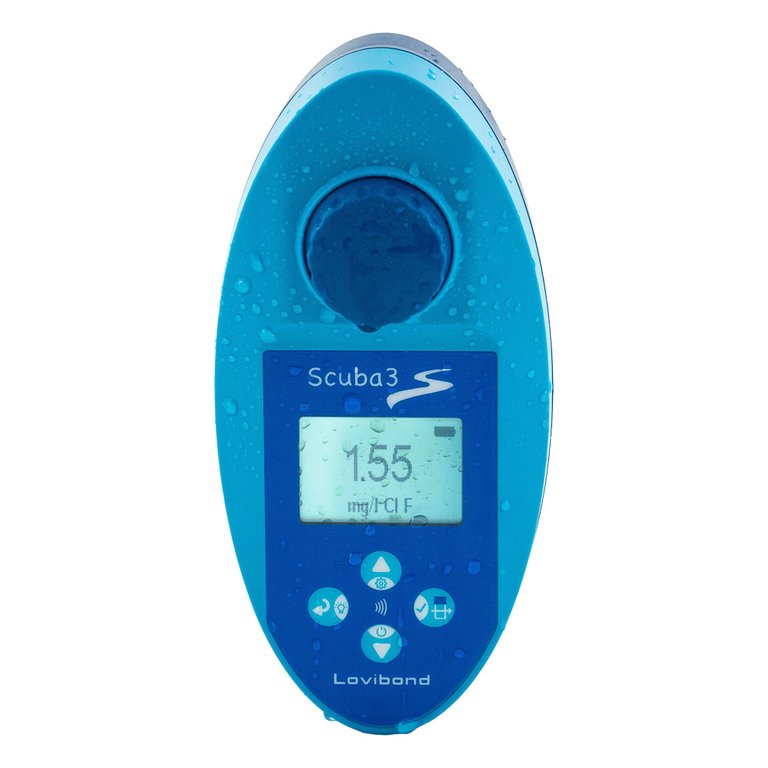
The owner regularly tests the water (strips, a drop test, or a digital tester) and adds a pH increaser or decreaser based on the result. The advantage is zero extra purchase cost and full control over exactly how much chemistry actually goes into the water. The downside is dependence on the owner’s regularity and accuracy — a skipped test or a misjudged dose shows up as pH swings between checks.
Automatic dosing pump
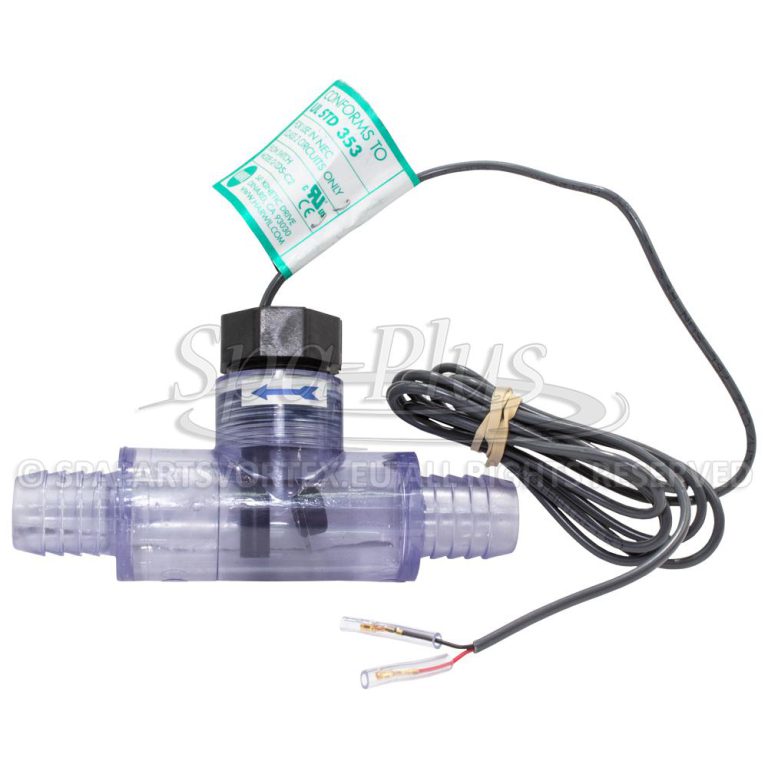
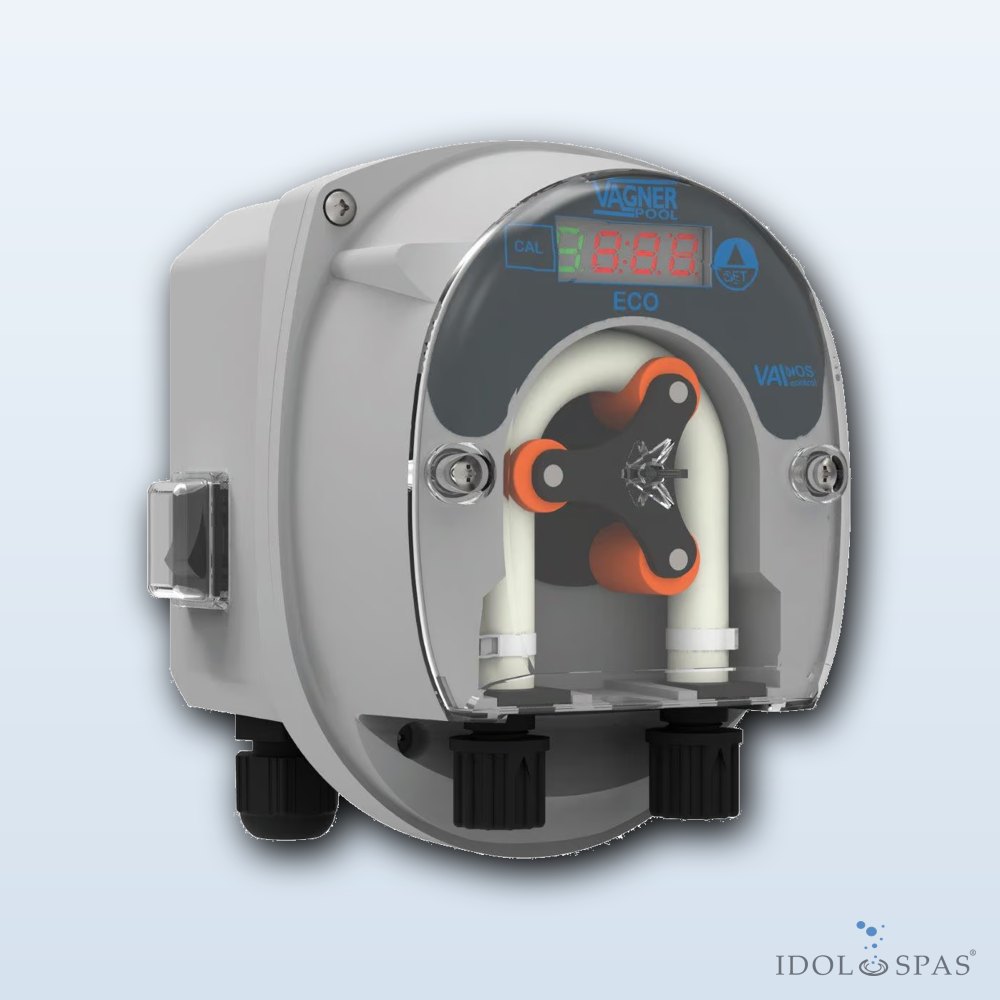
A pH probe continuously measures the value, and a control unit automatically triggers the dosing pump with product based on it. The advantage is more stable pH regardless of whether the owner remembers to test the water right then, and a faster response to sudden swings (a storm, a big crowd of swimmers). The downside is a higher purchase price and the need for regular probe calibration (see the separate article on calibrating pH/ORP probes) — without calibration, the system doses just as reliably based on a wrong number as a correct one.
When automation is worth it
- A pool with irregular oversight (a second home, a rental, shared ownership) — automation keeps chemistry stable even when nobody regularly tests it.
- A large water volume, where manual dosing requires frequent and physically demanding handling of large quantities of product.
- Emphasis on consistent water quality regardless of the human factor, for example for pools with sensitive users.
When manual dosing is enough
For smaller pools with regular oversight, where the owner enjoys and reliably tests the water, manual dosing fully suffices and saves the upfront investment in automation and a probe. What matters more is discipline and availability than the pool’s size as such.
FAQ
Can an automatic pump be retrofitted to an existing pool?
Yes, usually without touching the tank’s structure — it involves connecting the probe and dosing pump into the circulation piping.
Does the water still need occasional manual testing with an automatic pump?
Yes, regular manual checks are still recommended as a safeguard against incorrect probe calibration or a dosing pump malfunction.
Is automatic dosing safe without supervision?
With correctly set limits and a functioning probe, yes — quality systems also have safety limits against excessive dosing in a short time.
Automatic dosing pumps and manual dosing products are in the water treatment category. More articles on pool automation are in the Guides section.