
Guides
Expert articles on choosing, running and maintaining pools, hot tubs and swim spas.
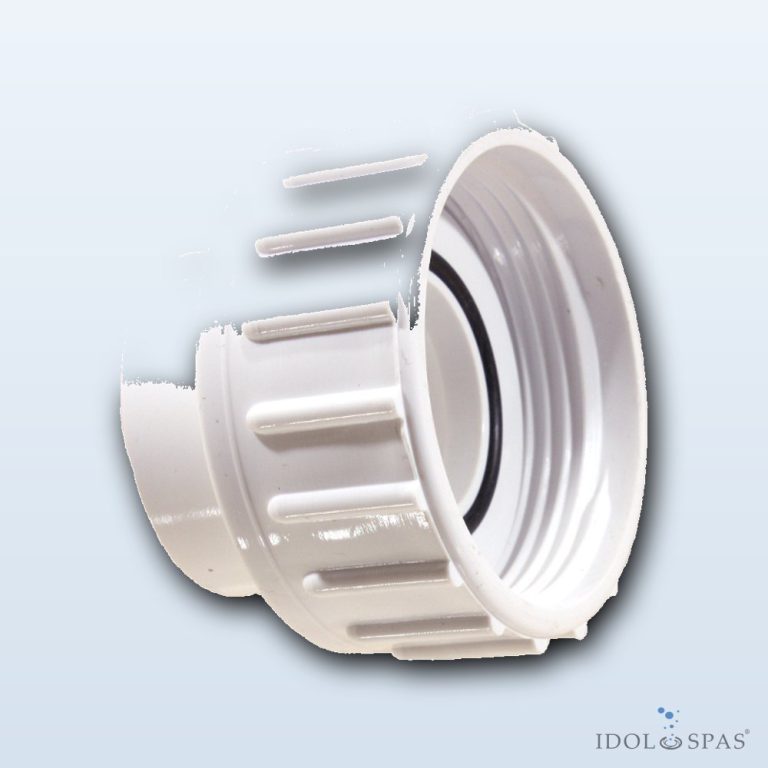
O-Rings and Seals in Pool Technology: Why Replace Them All at Once
O-rings (round-section rubber seals) are the cheapest and most overlooked part in all pool and hot tub technology. They sit in every bolted joint…
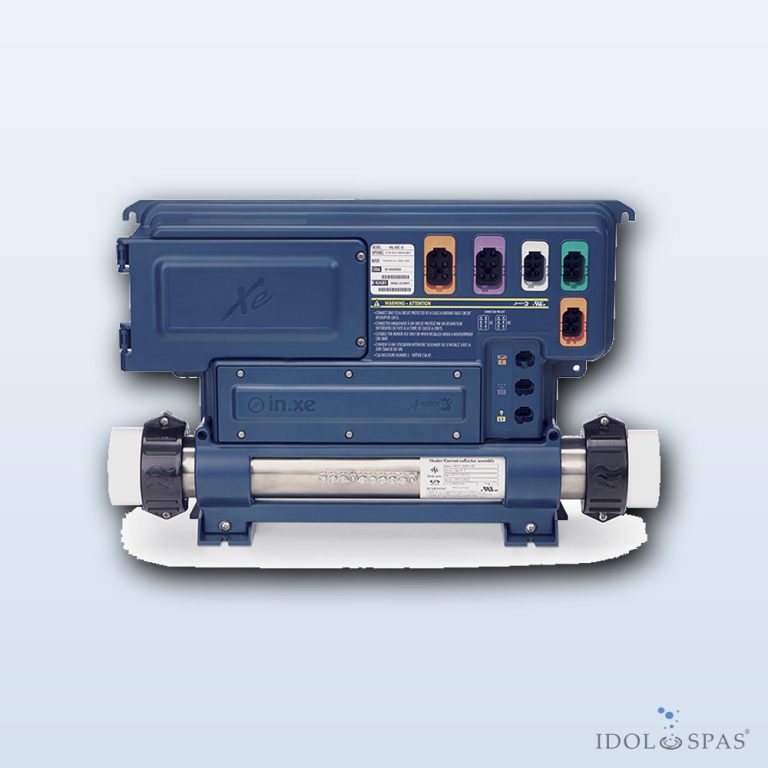
Gecko Spare Parts: An Overview of Control Systems and Compatibility
Gecko is, alongside Balboa, one of the two most widespread manufacturers of hot tub control systems you'll commonly encounter in Europe. If your hot…
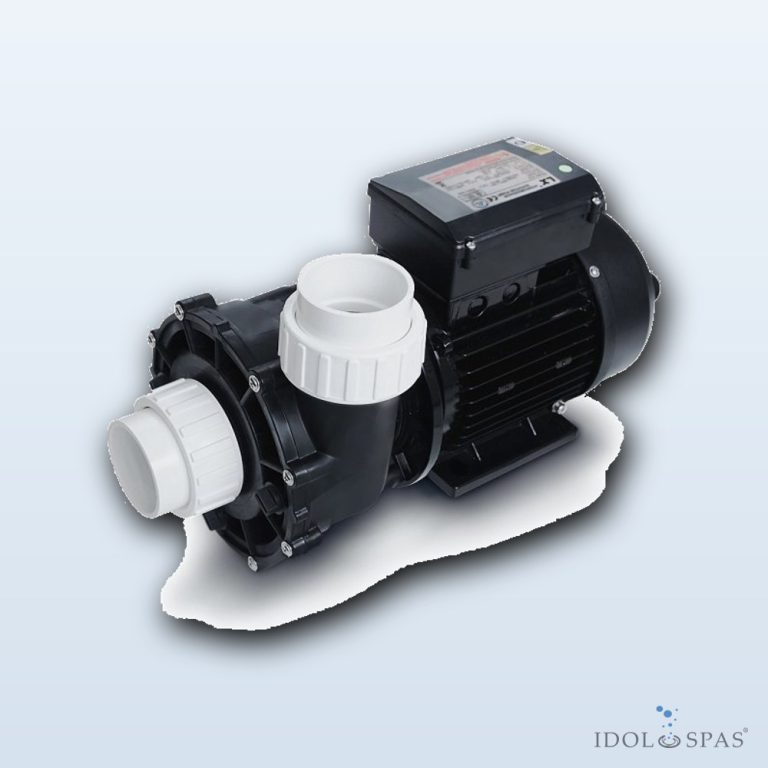
Waterway, LX, or Balboa: How the Most Common Pump Brands Differ
Waterway, LX, and Balboa are among the most common brands you'll come across when looking for a replacement hot tub pump. They aren't three…
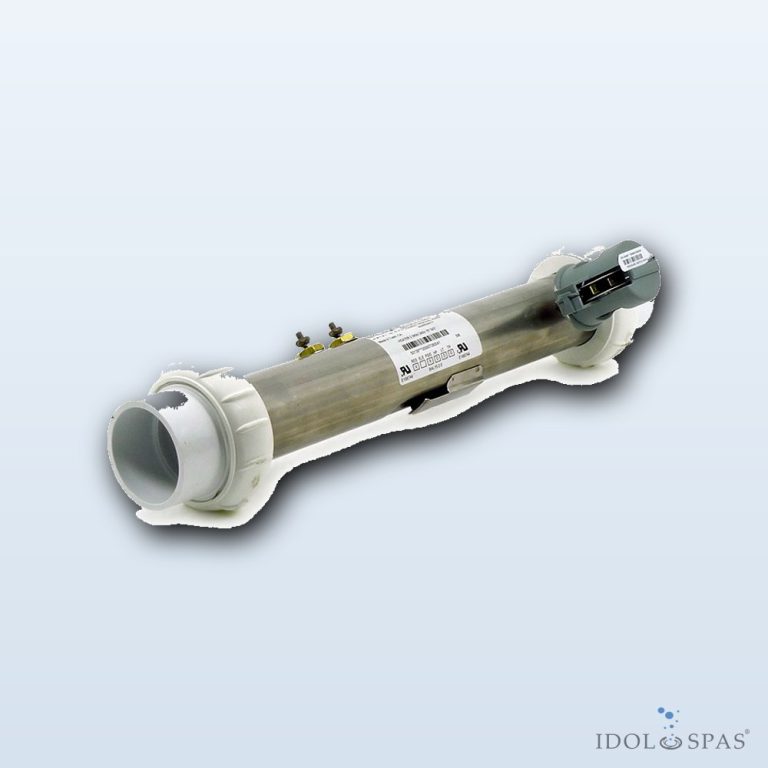
How to Find the Right Spare Part Using the Catalogue Number
Looking for a replacement part from a photo or a verbal description ("that black wheel-thing near the pump") is the slowest and least reliable…
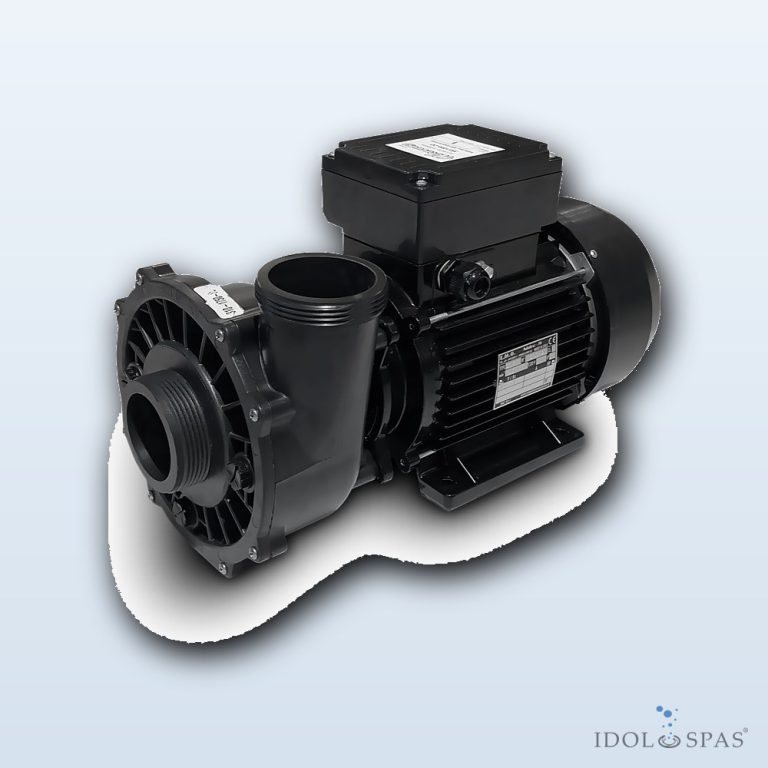
Single-Speed, Two-Speed, or Variable-Speed Pump?
Most of the season, a pool or hot tub doesn't need the pump running at full power — routine filtration works fine at a…
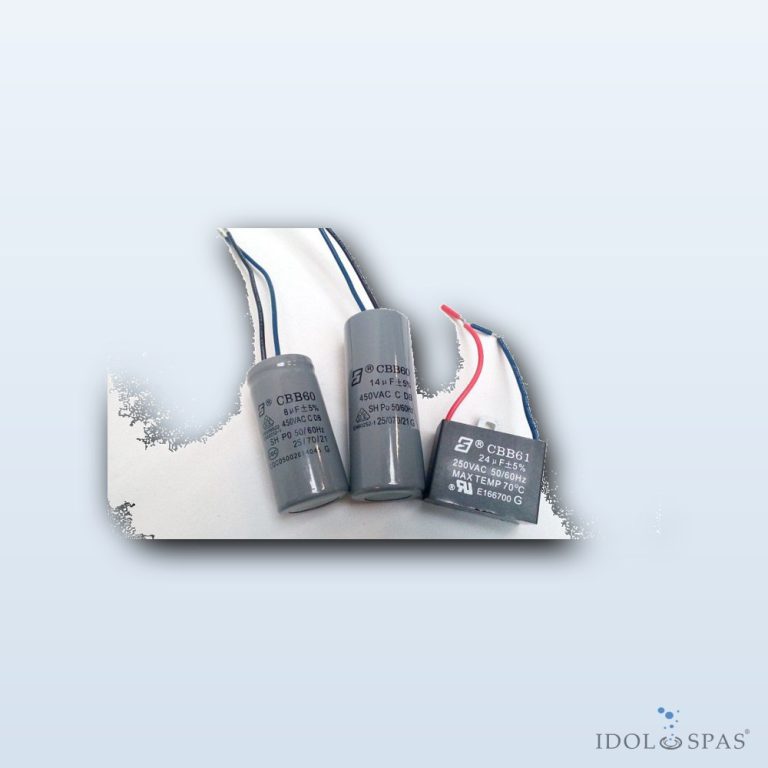
Pool Pump Capacitor: Why the Motor Hums But Won’t Turn
The capacitor (start or run) is a small cylindrical component in the electrical circuit of a single-phase pool pump motor that gives it the…
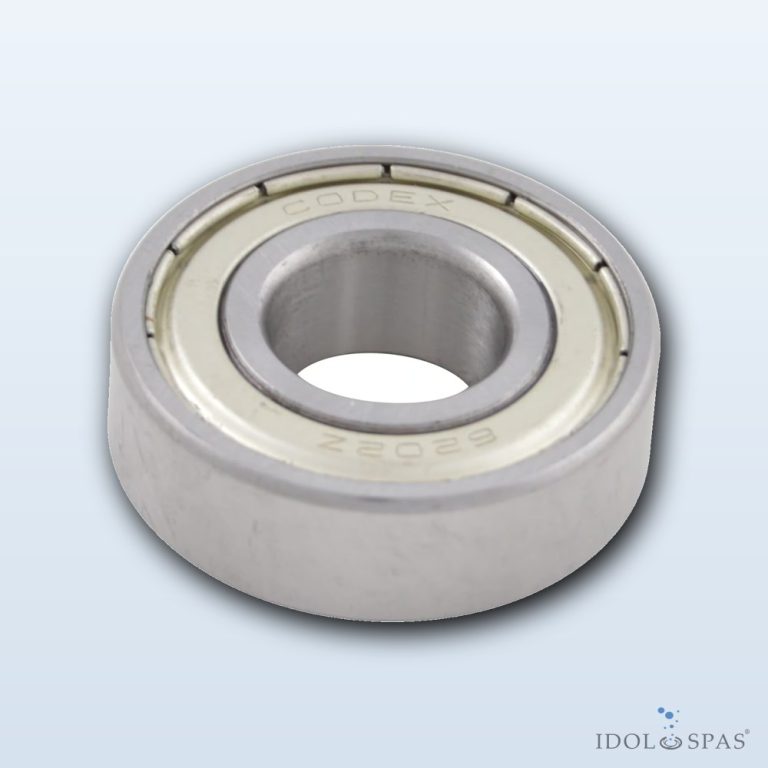
Pump Motor Bearings: When You Hear Them, It’s Almost Too Late
The motor bearings keep the shaft precisely aligned and absorb all radial and axial load during rotation. Unlike the mechanical seal, which fails suddenly…
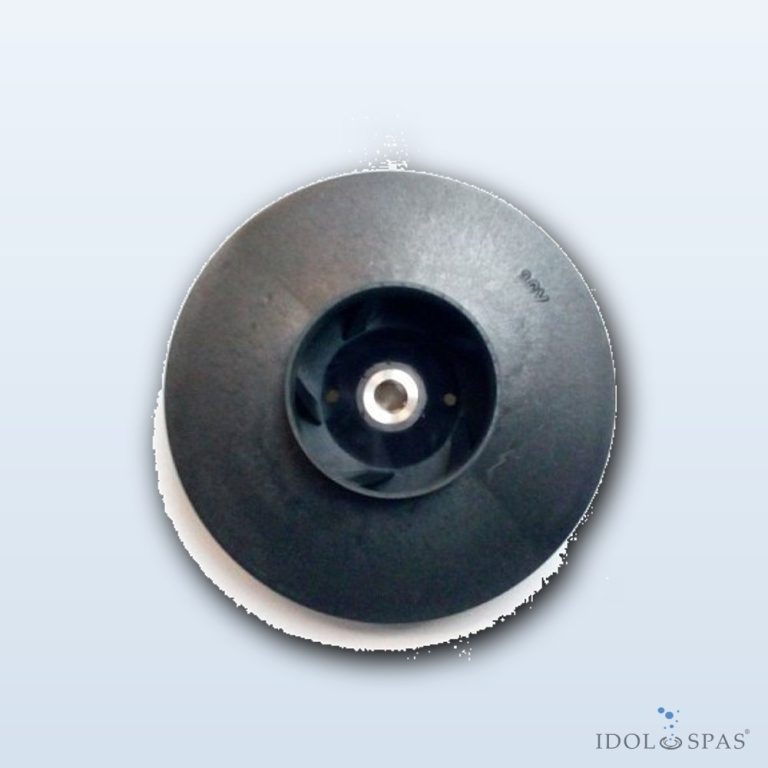
Pump Impeller: Signs of Wear and When to Replace It
The impeller is the part that actually moves the water — a rotating vaned wheel inside the pump housing. It's made of plastic (most…
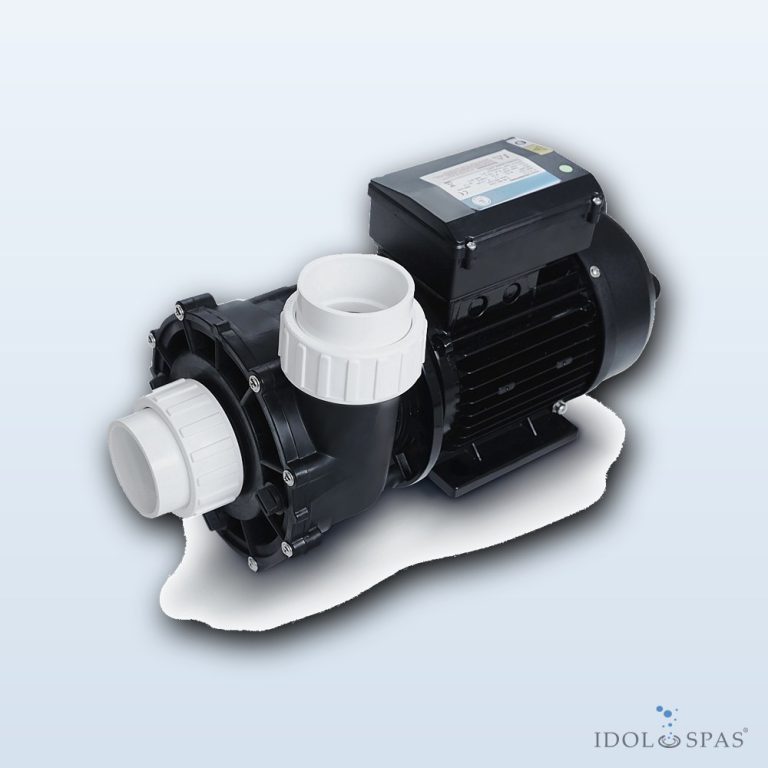
Pump Mechanical Seal: The Complete DIY Replacement Guide
The mechanical seal (shaft seal) is a small, inexpensive part that the pump's entire lifespan depends on. It sits between the motor and the…
Enzyme Products for Pools and Hot Tubs: What They Actually Do
Enzymatic products for pools and hot tubs promise less chlorine, less odour, and a cleaner surface. They work differently from disinfection — they don't…

Cyanuric Acid and Chlorine Lock: Why Your Chlorine Stops Working
Cyanuric acid (CYA), commonly called "stabiliser", protects chlorine from breaking down under UV rays — without it, an outdoor pool in the sun would…
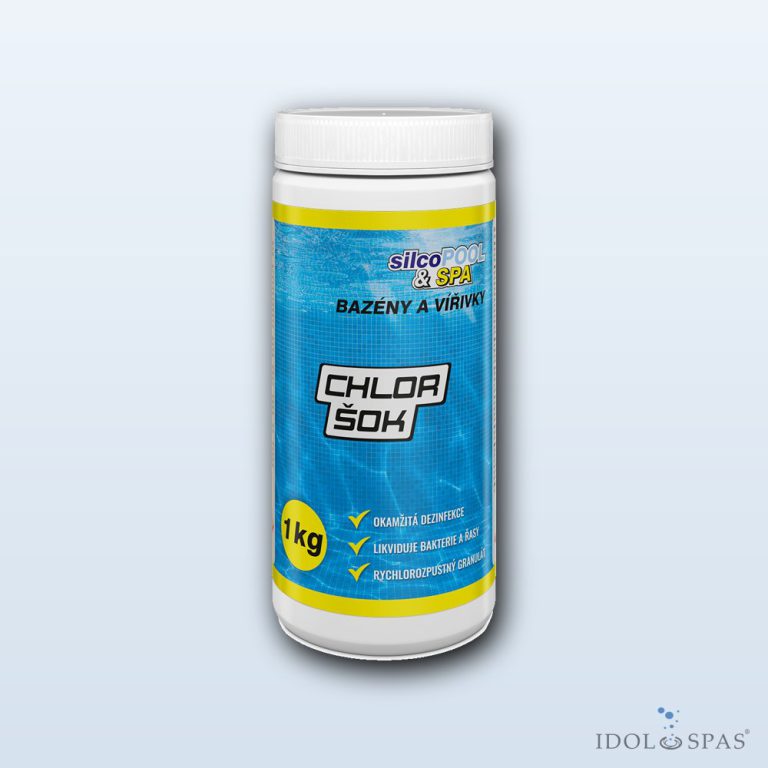
Shock Chlorination Step by Step: When, How Much, and How Long to Stay Out
Shock chlorination is a large one-off dose of chlorine that, within a few hours, eliminates algae, organic contamination, and chloramines (the compounds behind the…
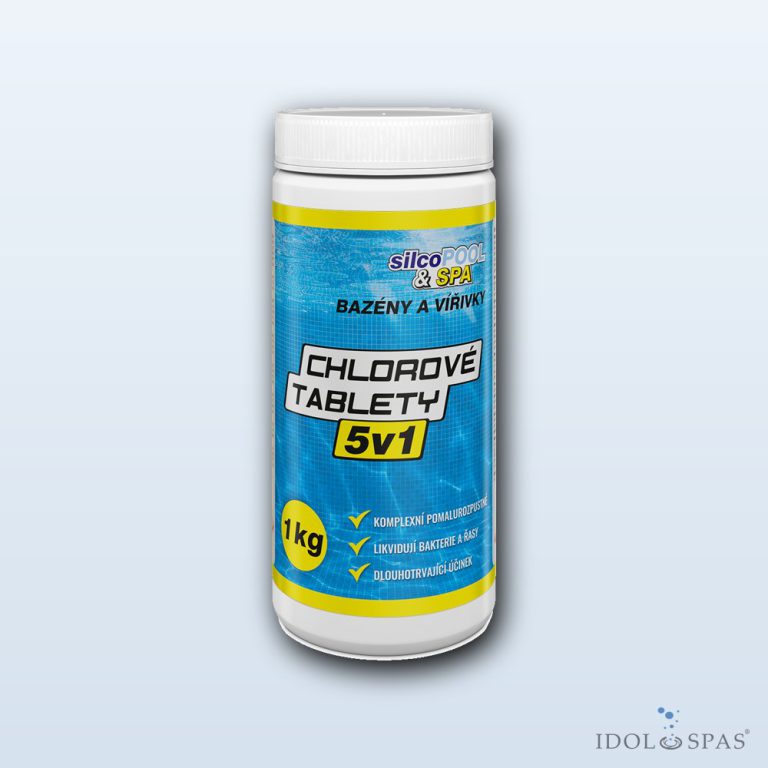
Granules, Tablets, or Liquid Chlorine: How They Differ and When to Use Each
Pool chlorine comes in three basic forms — granules, tablets, and liquid sodium hypochlorite. The active ingredient is fundamentally similar, but dissolving speed, dosing…
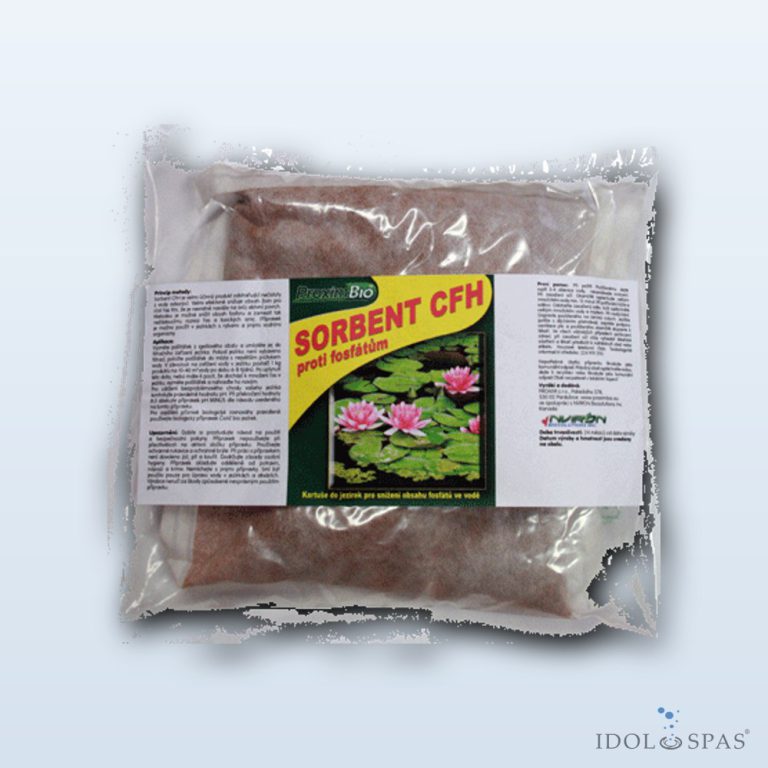
Phosphates in Your Pool: The Invisible Food Source for Algae
Nobody adds phosphates to a pool on purpose, yet they're usually there anyway — from lawn fertiliser, leaves, dust, and even tap water. For…
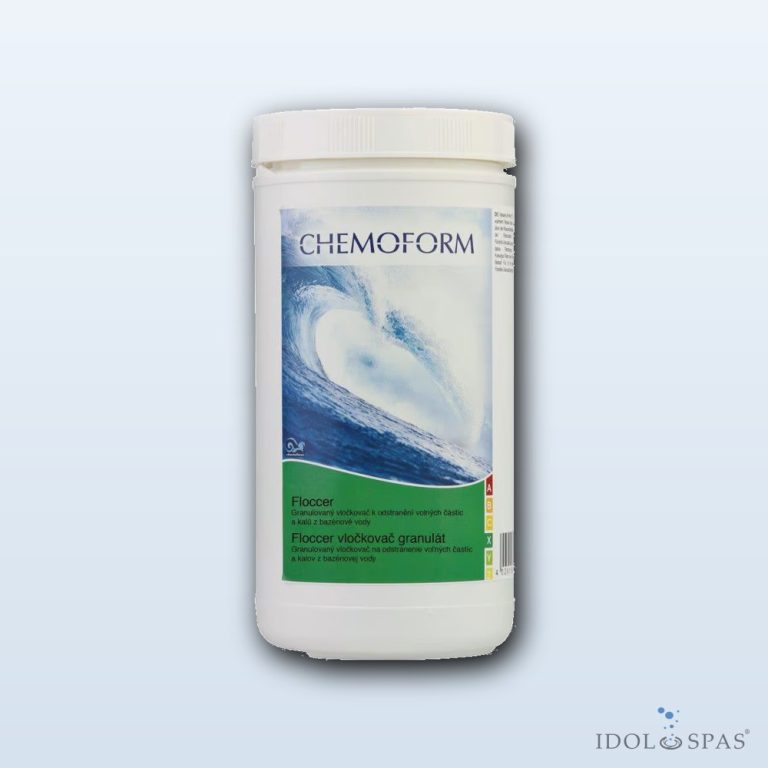
Clarifier or Flocculant? When to Use Which for Cloudy Water
Cloudy water after a weekend full of swimming is a classic problem: the filter is running, chlorine is fine, and yet the pool looks…

Spare parts availability and service: the question no spec sheet answers
When people choose a hot tub or pool equipment, they look at the number of jets, the pump output and the price. The parameter…
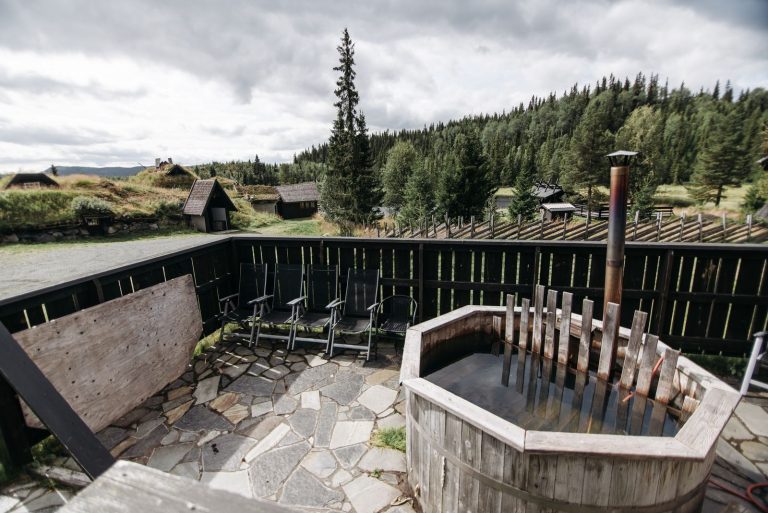
Hot tub in holiday rentals and glamping: what running one really takes
A hot tub in a holiday rental, a glamping site or a serviced apartment is not simply a bigger domestic hot tub — it…

The best time to buy a hot tub or pool: a year-round calendar
The best time to buy is not when things are cheapest — it is when you have the widest choice, the most time and…

The Hidden Costs of a Hot Tub Installation: What the Price Tag Leaves Out
The price quoted for a hot tub is the price of the shell and its equipment. Before you get into it for the first…
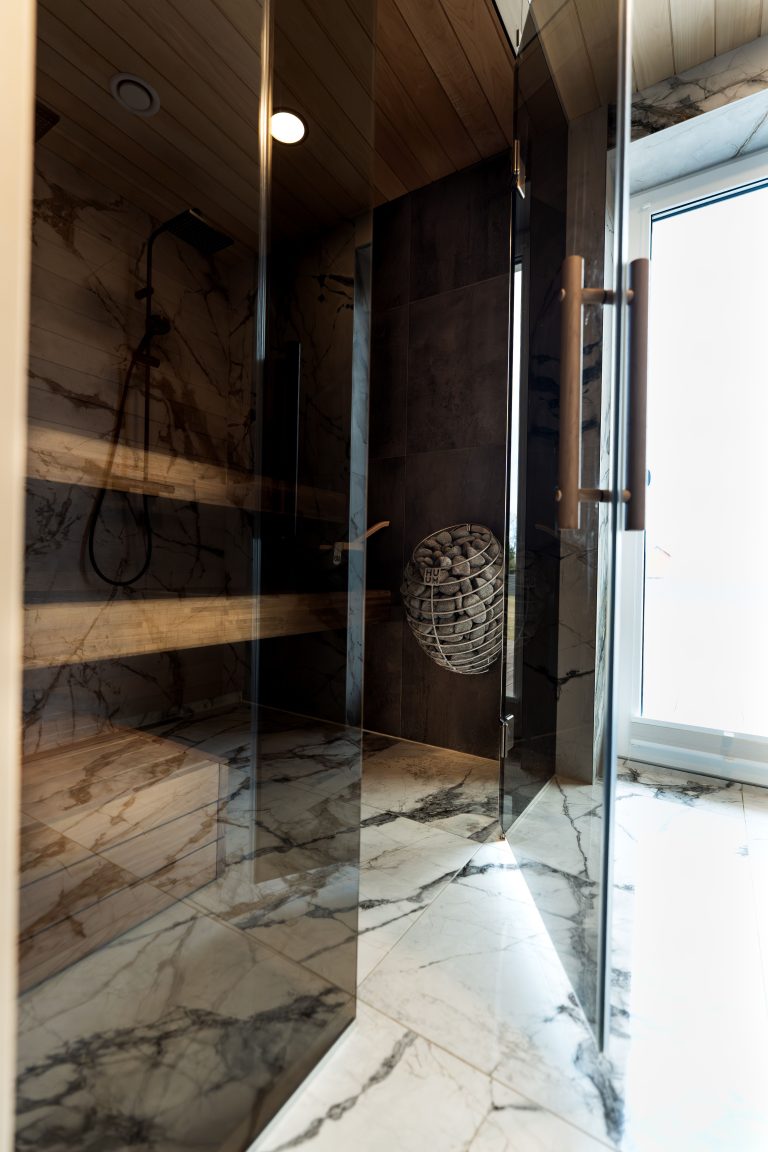
Sauna for Athletes: Heat Acclimation, Recovery and When to Skip It
The sauna is interesting for athletes mainly for one reason: repeated heat stress triggers the same adaptations as training in the heat. The best-documented…
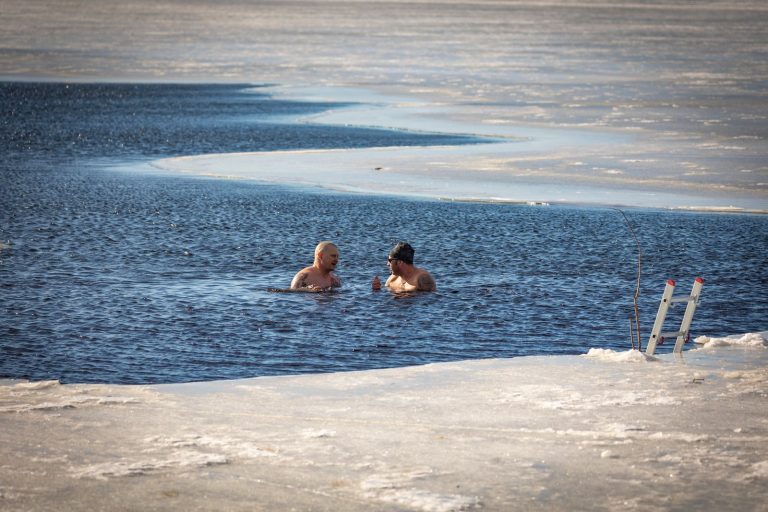
Cold plunge water care: values, sanitisers and how often to change the water
Cold water spoils more slowly than hot — but sanitiser works more slowly in it as well, and dissolves less readily. That is the…
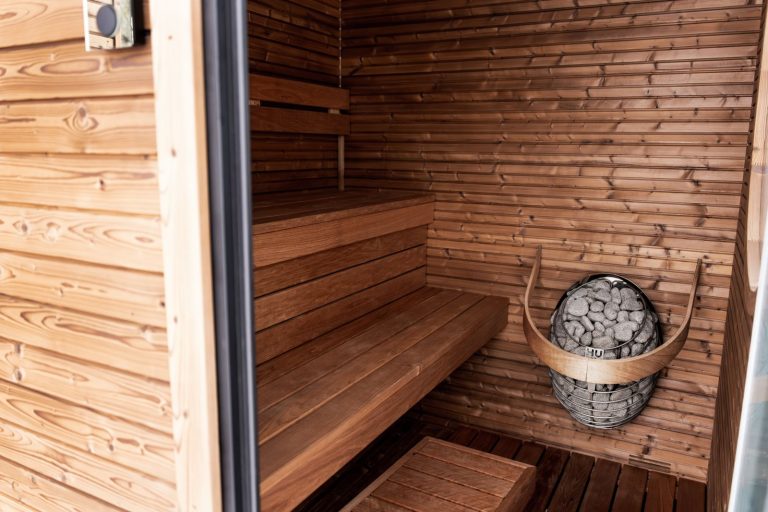
Sauna electricity use: what one session really costs
According to our model calculation, a single session in an ordinary home sauna uses roughly 6–13 kWh, which at €0.25/kWh comes to about €1.60–3.30.…
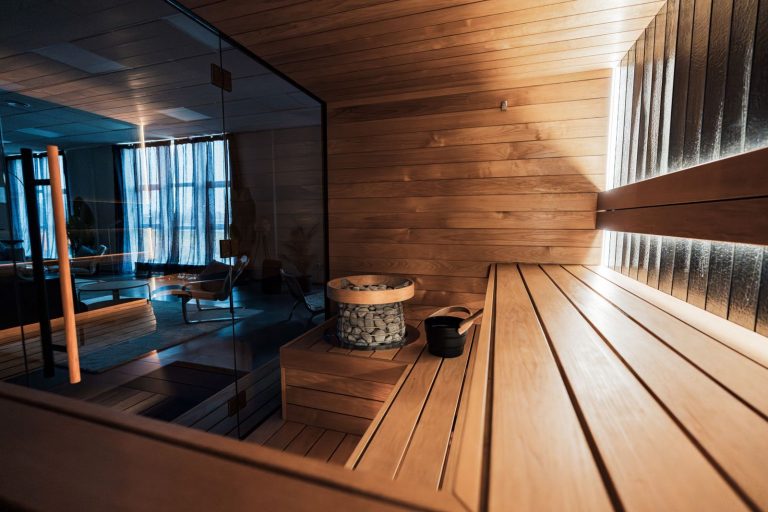
Sauna heater kW calculator: sizing by cabin volume, not floor area
The output of a sauna heater is derived from the volume of the cabin, not from its floor area. The established rule of thumb…
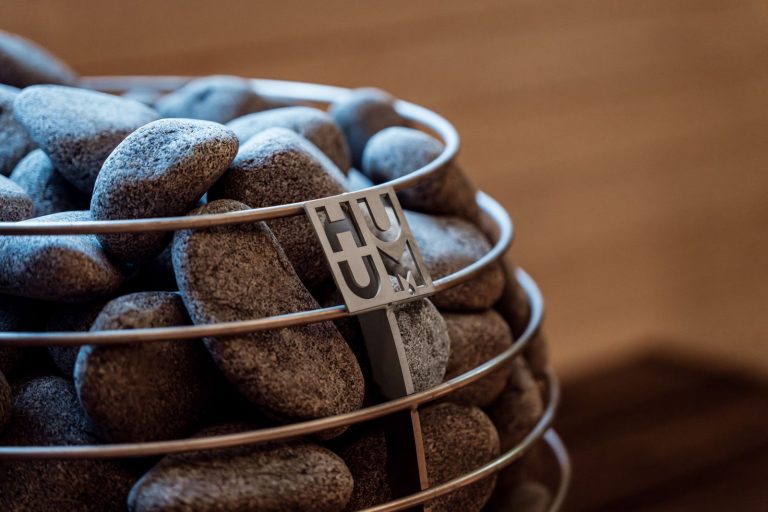
Sauna stones: choosing, stacking and replacing them
Sauna stones are the cheapest part of a sauna and at the same time the part the whole experience rests on. They store heat…
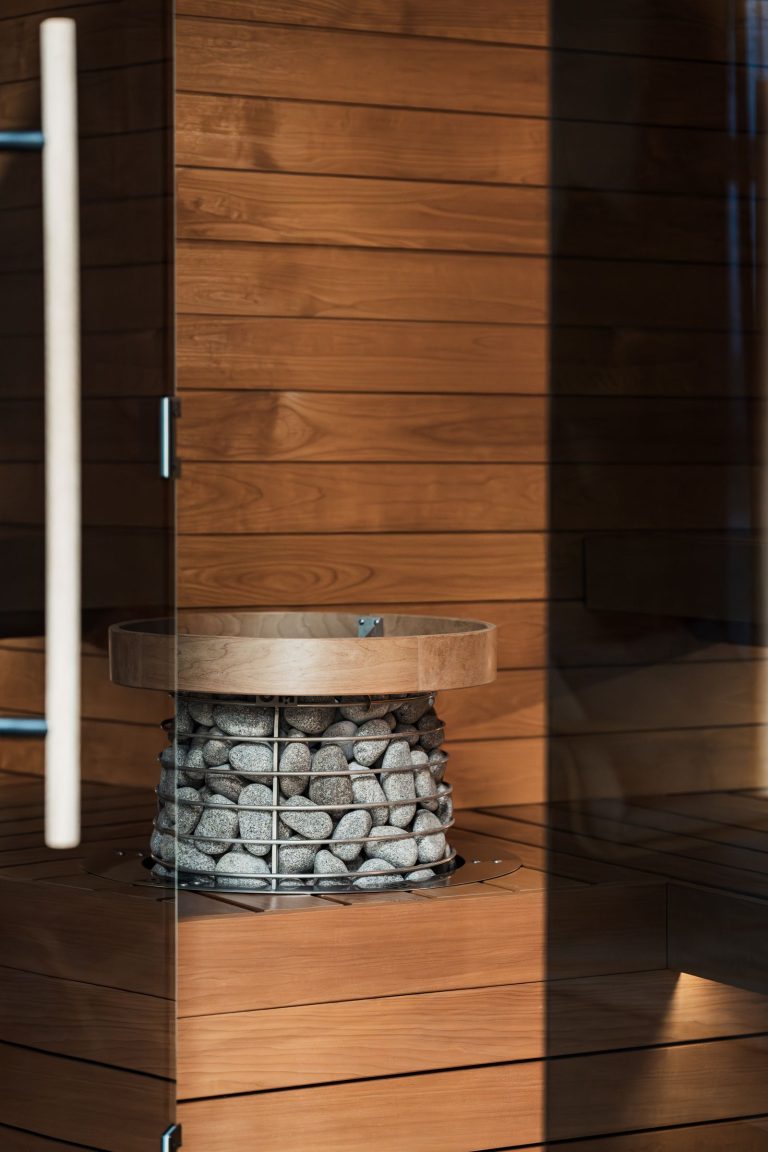
Sauna ventilation: where the air intake and exhaust belong
Ventilation is the cheapest part of a sauna and the one most often got wrong. The short answer: the fresh air intake belongs low…
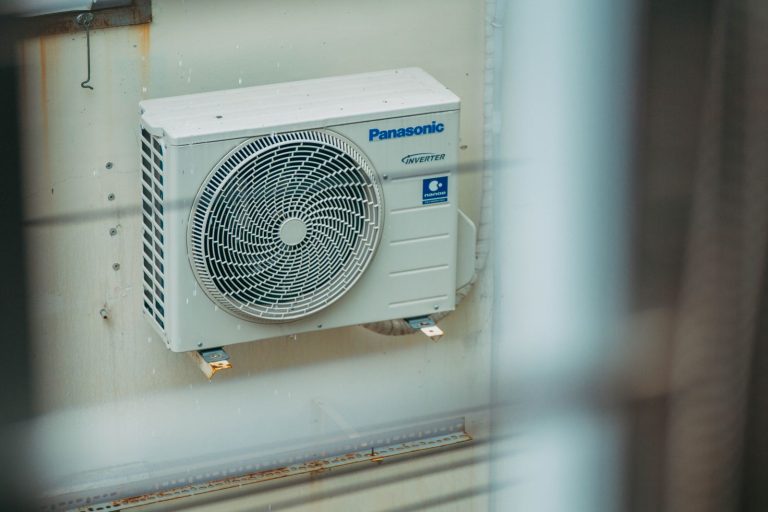
Pool heat pump icing up and low flow errors: normal or a fault?
Frost on a heat pump evaporator is a normal phenomenon in cold, damp weather — the unit melts it off itself during the defrost…
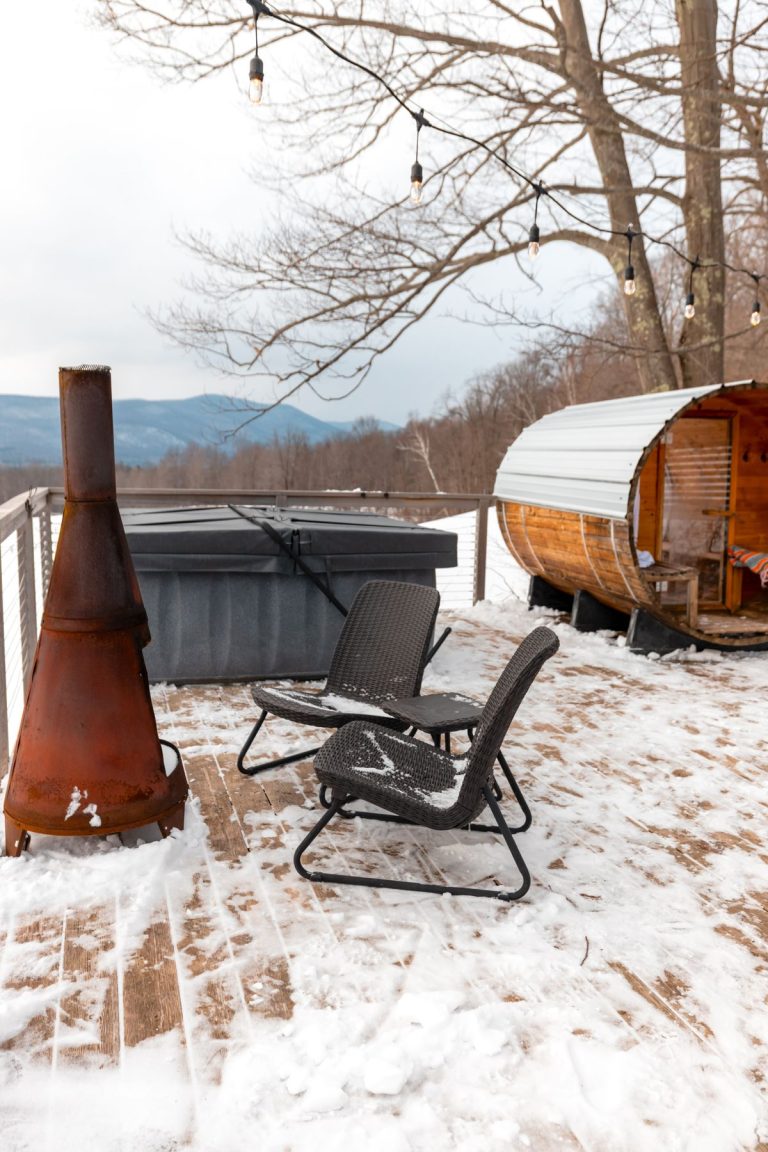
Hot tub power cut in winter: how much time you have and when to drain
The power has gone off, it is freezing outside and there are a thousand litres of warm water sitting in your hot tub. The…
Rusty stains in the pool: iron, manganese and how to get rid of them
Brown and rusty stains on the liner or on the floor of the pool are not dirt and they are not algae — in…

Hot tub rash (hot tub folliculitis): why it happens and how to prevent it
Small itchy bumps that appear a day or two after a soak in the hot tub, densest where your swimwear was pressed against the…
Sand Coming From Pool Jets: Causes and Step-by-Step Repair
When fine fans of sand appear under the return jets shortly after the filtration starts up, it is almost always filter media escaping from…