
Quick answer: for recreational swimming in a pool, the ideal is 26–28 °C; for lap swimming 24–26 °C; for small children and seniors 28–30 °C; and a hot tub is most relaxing at 36–38 °C. The catch is that every extra degree costs something — and every purpose has its own “right” temperature. In this guide you will find specific numbers for every situation, a comprehensive overview table and tips on how to maintain the temperature without unnecessary expense.
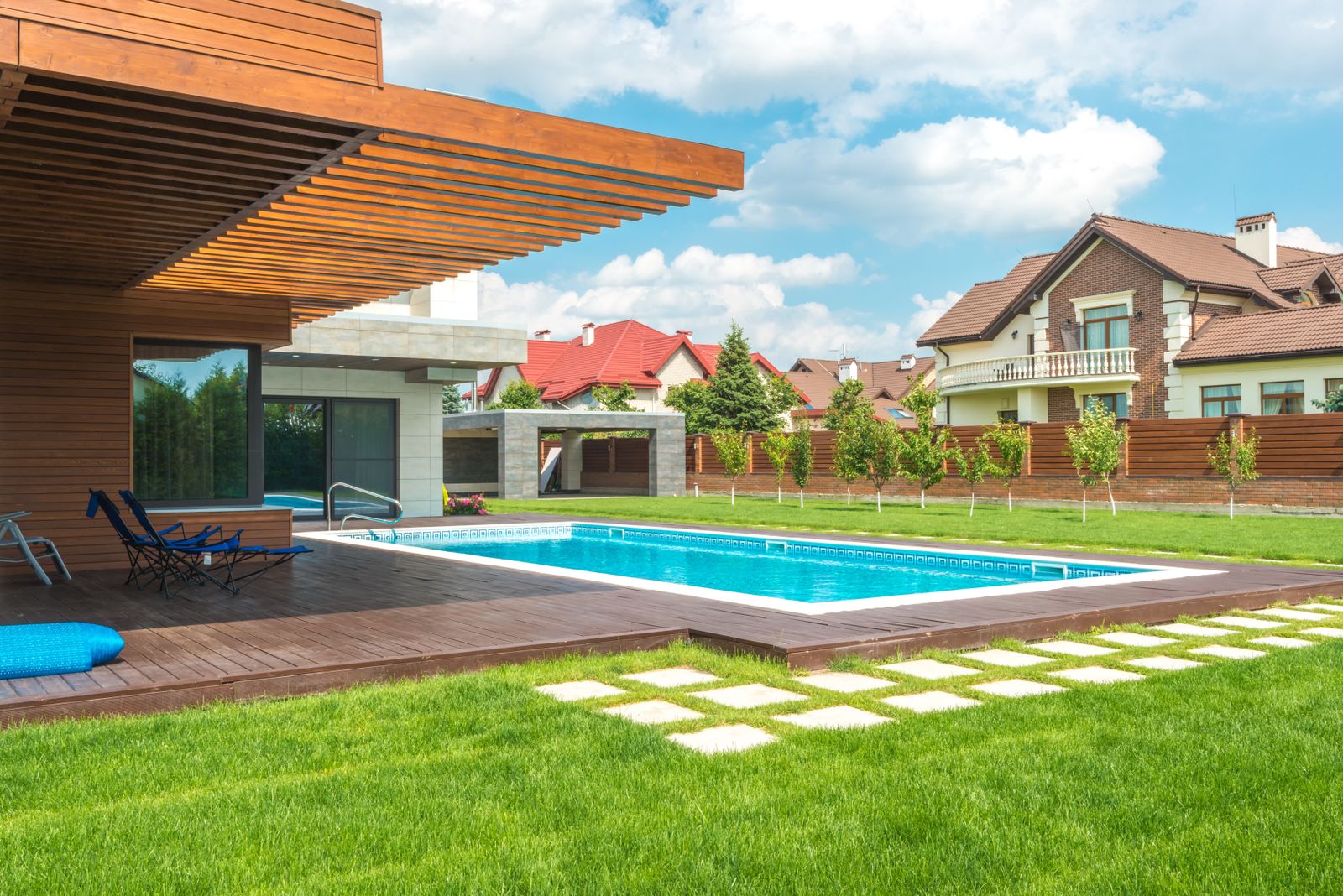
Why does water temperature matter so much?
Water draws heat from the body an order of magnitude faster than air of the same temperature. That is why 24 °C air feels pleasant, yet 24 °C water starts to feel cold after just a few minutes of staying still. The body only feels “thermally neutral” in water at around 34–35 °C — below that it loses heat, above it it warms up.
This leads to the simple logic behind this whole article: the less you move in the water, the warmer the water needs to be. An athlete generating hundreds of watts of heat will appreciate a cooler pool, while a child splashing by the steps or an adult relaxing in a hot tub seat needs the water itself to keep them warm.
Recreational swimming in a pool: 26–28 °C
For everyday family bathing — a bit of swimming, games with the kids, chatting at the pool edge — the optimum is 26 to 28 °C. At this temperature you can stay in the water for a long time without getting chilled, while the water still feels pleasantly refreshing on a hot day.
Below 25 °C, swimming becomes a “dare” for most people and shrinks to a matter of minutes. Above 29 °C, the water stops being refreshing, evaporation increases and so does chemical consumption — warm water favours algae and microorganisms, so it demands more diligent disinfection and filtration. A compromise of 27 °C is a very sensible standard for a family pool.
Lap swimming: 24–26 °C
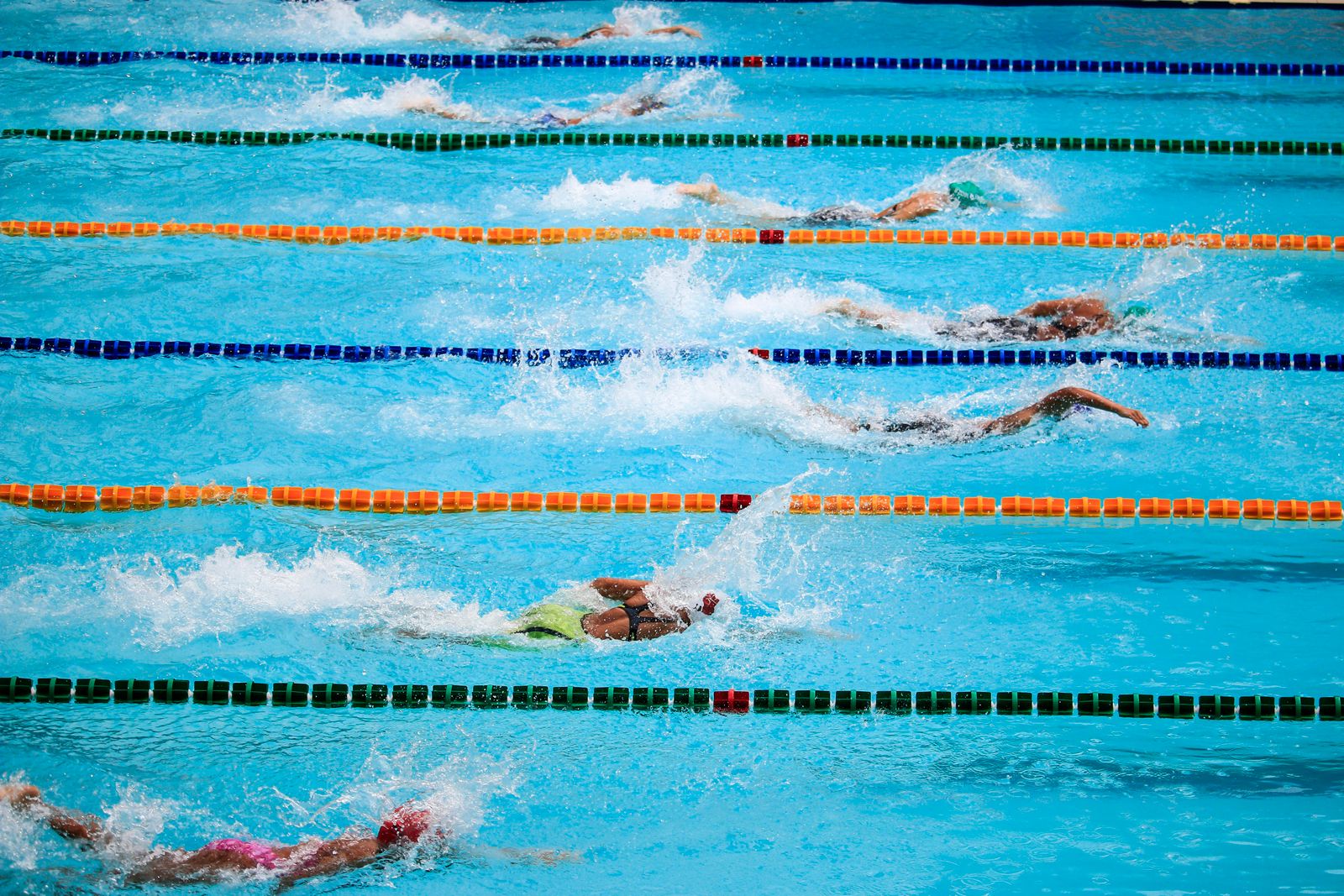
Anyone who truly swims in their pool — for fitness, at pace, for tens of minutes at a time — wants cooler water: 24 to 26 °C. The reason is physiological: during exertion the body produces a great deal of heat and has no way to cool down in warm water. The result is faster fatigue, a higher heart rate and reduced performance; in extreme cases there is a risk of overheating.
Elite sport follows the same logic: World Aquatics (formerly FINA) rules prescribe a water temperature of 25–28 °C for competition pools, and for long-distance open-water events the maximum is 31 °C precisely because of the overheating risk. A home fitness swimmer who genuinely works up a sweat in the water may well appreciate even 24 °C — just bear in mind that the same pool will no longer be ideal for lounging with the kids.
Children and seniors: 28–30 °C
Small children have a larger body surface relative to their weight, less subcutaneous fat, and in the water they tend to splash around rather than swim — so they get chilled much faster than adults. For toddlers and preschoolers, 30 to 32 °C is appropriate (which is why swim-school and baby pools keep their water noticeably warmer); for school-age children and family bathing with kids, 28 to 30 °C.
A similar optimum applies to seniors and to rehabilitation exercise in water: warmer water relaxes muscles and joints and reduces the risk of getting chilled during slow movement. If you are planning a pool primarily for a family with small children, think it through at the buying stage — in our article on the family pool for kids we cover depth, steps and safety in detail.
Hot tub: 36–38 °C, maximum 40 °C
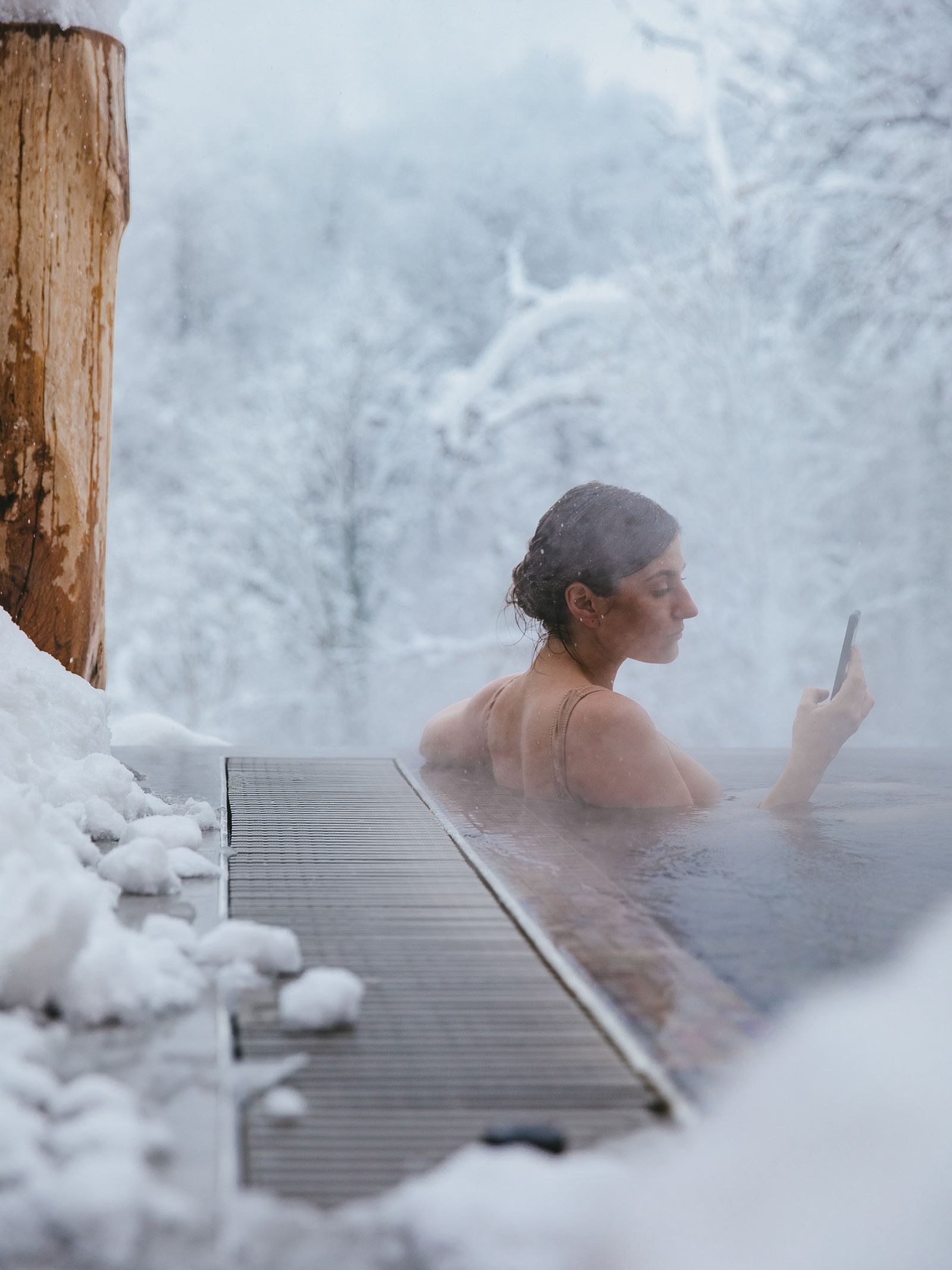
A hot tub is not a pool — here the goal is warming through, muscle relaxation and unwinding. The standard is 36 to 38 °C, i.e. around body temperature and slightly above it. Most people find their sweet spot within this range: 36 °C for longer sessions and summer evenings, 38 °C for a twenty-minute warm-up ritual in winter.
40 °C is the maximum agreed upon by hot tub manufacturers and international safety guidelines alike — beyond that, the risk of overheating the body increases, which is why hot tub control systems will not even allow a higher setting. At 40 °C, keep your soak to 10–15 minutes, drink plenty of water and get up slowly afterwards.
Pregnant women and people with heart conditions
Hot water dilates blood vessels and puts strain on the circulatory system. Pregnant women, heart patients and people with high or low blood pressure should lower the temperature to 35–36 °C, shorten their soak to around 10 minutes and, above all, consult their doctor beforehand. We have described in detail how a hot soak affects sleep, recovery and the circulatory system in our article on hot tubs and health.
Children in the hot tub: around 35 °C at most, and briefly
A child’s body copes with heat less well than an adult’s. For children you do allow into the hot tub (usually from age 5–6, always supervised), lower the temperature to no more than ~35 °C and limit the soak to 5–10 minutes — ideally with only the lower body in the water. You will find the complete rules, including covers and barriers, in our article on child safety around pools and hot tubs.
Swim spa: a 28–30 °C compromise, or dual zones
A swim spa combines swimming against a current with massage seats — which is exactly why its temperature is an eternal dilemma. For swimming, the ideal is 26–28 °C; for massage, 36 °C and above. A single-chamber swim spa is usually run at a compromise of 28 to 30 °C: a touch warm for serious swimming, a touch cool for relaxing, but both work.
An elegant solution is the dual-zone swim spa: the swim section holds its ~28 °C while a separate hot tub section runs at 36–38 °C, each with its own equipment. You pay for this with a higher purchase price and running costs. Whether a dual-zone model is worth it for you is covered in our guide on how to choose a swim spa.
Winter bathing and cold plunge: 10–15 °C
At the opposite end of the thermometer sits cold therapy. A cold tub or cold plunge is typically run at 10 to 15 °C — cold enough to trigger the physiological response (vasoconstriction, dopamine, adrenaline), yet safer than ice water below 5 °C, which belongs only to experienced cold-water swimmers. Beginners need just 30–90 seconds; advanced users can manage 2–5 minutes.
The best results come from combining it with hot water: alternating between a 38 °C hot tub and a cold tub is classic contrast therapy, which we have described in detail in our article on contrast therapy.
Overview table: purpose → ideal temperature
| Purpose / situation | Ideal temperature | Note |
|---|---|---|
| Lap swimming (fitness, at pace) | 24–26 °C | Cooler water prevents overheating during exertion |
| Competition pools (World Aquatics/FINA) | 25–28 °C | Prescribed by competition rules |
| Recreational bathing for adults | 26–28 °C | The universal family standard |
| Children (school age), seniors, rehabilitation | 28–30 °C | Slower movement = faster chilling |
| Toddlers, baby swimming lessons | 30–32 °C | Short sessions, constant supervision |
| Swim spa (single zone) | 28–30 °C | Compromise between swimming and relaxing |
| Children in the hot tub | max ~35 °C | 5–10 minutes, from ~age 5, supervised |
| Hot tub — pregnant women, heart patients | 35–36 °C | Briefly, and after consulting a doctor |
| Hot tub — relaxation | 36–38 °C | The most common setting |
| Hot tub — maximum | 40 °C | Manufacturers’ limit, 10–15 minute soaks |
| Cold plunge / cold tub | 10–15 °C | Seconds to a few minutes |
What does each extra degree cost?
Temperature is not just a matter of comfort but of money too. Heat losses from both pools and hot tubs grow with the difference between water and ambient temperature — and as a rule of thumb, each extra degree raises heating costs by roughly 5–10%. The exact figure depends on the weather, covering and insulation, but the direction is always the same: the difference between a pool at 27 and 30 °C, or a hot tub kept at 36 instead of 38 °C, shows up on the annual bill.
In practice this means two things. With a pool, there is no point in “overheating just in case” — set 27 °C and only turn it up on the days you will actually make use of it. With a hot tub running year-round, consider a regime where you hold a lower maintenance temperature off-season and heat up before use. You will find specific figures in our article on hot tub running costs.
How to maintain the temperature efficiently?
The biggest heat guzzler is not the pool wall but the water surface — evaporation and radiation account for up to 70% of losses. The first and cheapest measure is therefore covering: a solar cover, slatted cover or enclosure can cut losses by tens of percent and, in season, often replace part of the heating. We compared the options in our article on enclosures and solar covers.
The second pillar is an economical heat source. A heat pump turns 1 kWh of electricity into 4–5 kWh of heat, so it holds your chosen temperature at a fraction of the cost of electric heating — details in our guide to the heat pump for pool and hot tub. For a hot tub, a quality thermal cover and shell insulation are decisive; for a pool, smart timing of filtration and heating into the warmer daytime hours also helps.
Frequently asked questions (FAQ)
What is the ideal pool water temperature for everyday swimming?
26–28 °C. At this temperature you can stay in the water for a long time, the water still refreshes, and heating costs and chemical consumption remain reasonable. For families with smaller children, the upper end is better — i.e. 28–30 °C.
How many degrees should a hot tub be?
The standard is 36–38 °C, with an absolute maximum of 40 °C — hot tub control systems will not allow a higher setting. Pregnant women and people with heart conditions should stay at 35–36 °C, shorten their soak and consult a doctor.
Can children go in a hot tub, and at what temperature?
Older children (roughly from age 5–6) yes, but at a reduced temperature of no more than around 35 °C, for 5–10 minutes and always under adult supervision. Smaller children do not belong in hot tub water — their bodies cope far less well with overheating.
Why do competition pools have cooler water than recreational ones?
Because a swimmer produces a great deal of heat during exertion and would overheat in warm water. World Aquatics (FINA) rules therefore prescribe 25–28 °C; fitness swimmers at home are comfortable at 24–26 °C.
How much more will it cost if I raise the temperature by 2 °C?
Roughly 10–20% more in heating costs — each extra degree means about +5–10% depending on weather, covering and insulation. The cheapest “heating” is therefore a quality surface cover and a heat pump instead of electric heating.
Whether you are aiming for a sporty 24 °C, a family-friendly 28 °C or a relaxing 38 °C, what ultimately decides is the equipment that holds the temperature reliably and at a reasonable cost. Heat pumps, heaters, filtration and other pool equipment can be found in our range — and more practical guides in our Advice Centre.
