
Contrast therapy — the deliberate alternation of hot and cold water — is the most talked-about wellness trend of the past two years. The home setup is surprisingly simple: a hot tub heated to 38–40 °C next to a cold plunge or ice bath at 10–15 °C. Science confirms short-term benefits for muscle recovery, pain relief, and an immediate mental boost; it doesn’t promise instant miracles, though, and it comes with clear warnings for people with heart conditions.
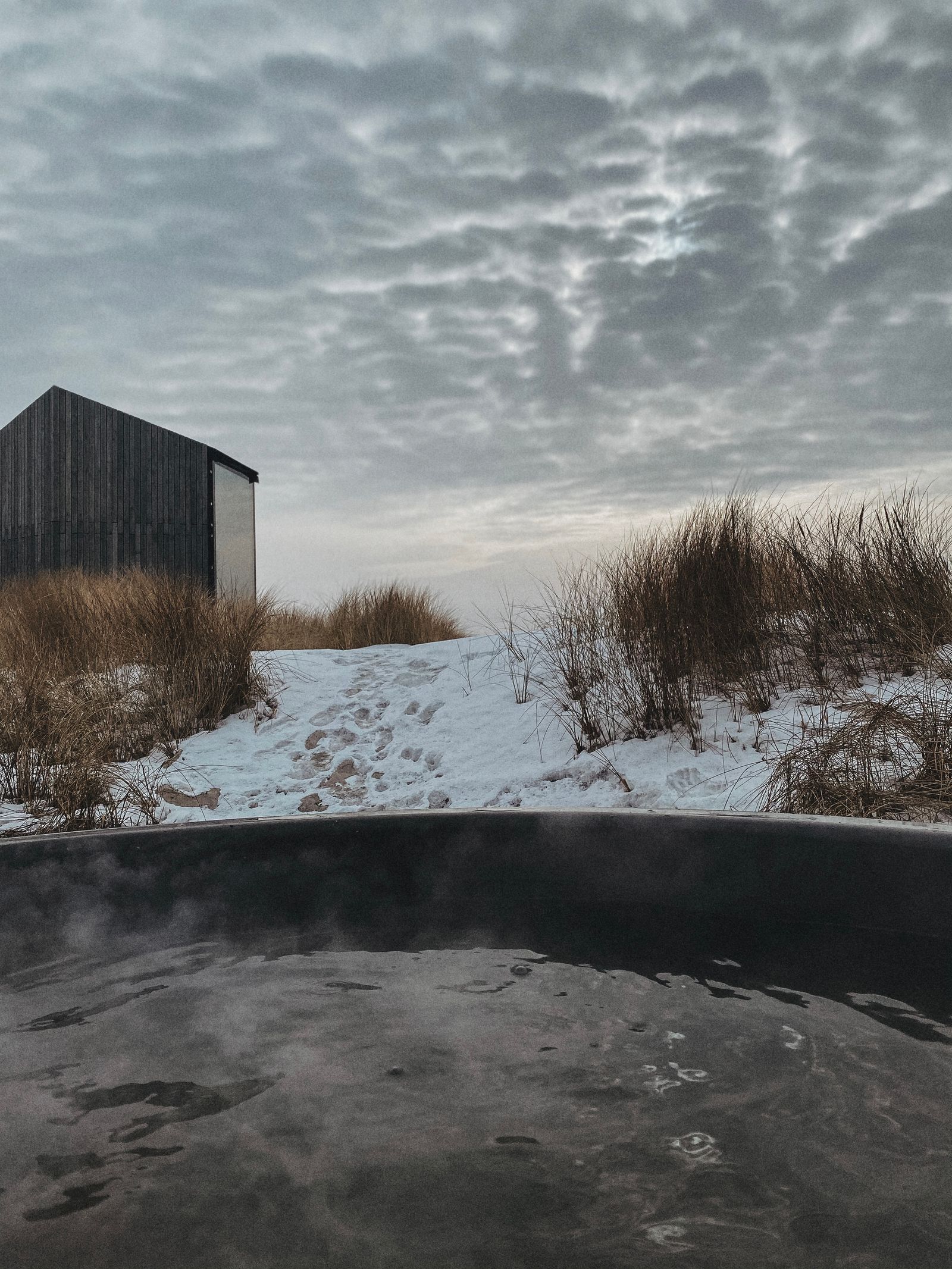
What Is Contrast Therapy, and Why Is Everyone Talking About It?
The principle is as old as Nordic saunas: you expose the body to heat, which dilates the blood vessels (vasodilation), then immediately to cold, which constricts them sharply (vasoconstriction). Alternating the two phases creates a kind of “pumping” effect in the vessels — blood flows faster, tissues get better circulation, and the body flushes out metabolites from tired muscles.
What’s new isn’t the principle, but its move into the home. Just a few years ago, contrast therapy was the domain of professional athletes and spas. Today, brands like Hot Spring describe it as a routine part of home wellness, and the market for home cold plunge tubs is growing so fast that the ice bath has become a status accessory for the garden, right alongside the hot tub. Its popularity has been fueled by longevity podcasts, athletes sharing their morning rituals, and the simple fact that a “hot tub plus cold tub” combo can be set up at home without any construction work.
Hot tub manufacturers recommend the same basic formula: 3–5 minutes in hot water around 38–40 °C, then 30–60 seconds in the cold at 10–15 °C, for a total of 3–4 cycles. That matches what the American Medical Association (AMA) reports — the cold phase in studies typically falls between 10 and 15 °C, and the hot bath around 38–40 °C.
What the Science Says — Soberly, Without the Marketing
Here it’s important to separate what’s proven from what’s popular. In 2025, the American Medical Association (AMA) published an overview titled “4 things you should know about cold plunges and contrast therapy,” in which sports medicine physician Chelsea M. Evans of the Lehigh Valley Health Network summarizes the current state of knowledge.
What Contrast Therapy Can Actually Do
- Short-term pain relief. Cold temporarily dulls pain, while heat relaxes muscles and improves joint mobility. Together, they work as a non-pharmacological way to unwind after a demanding day or workout.
- Faster perceived recovery. Studies in athletes show a modest reduction in delayed onset muscle soreness (DOMS) after intense exertion.
- An immediate mental boost. Cold shock releases noradrenaline and dopamine — hence the feeling of euphoria and “waking up” that cold-water enthusiasts praise. Many users also report falling asleep more easily after an evening hot phase.
- Training the vascular response. Regularly alternating heat and cold improves cold tolerance — it’s essentially controlled cold exposure with a comfortable “safety net” in the form of the hot tub.
What Isn’t Proven
The AMA is uncompromising on this point: the published literature does not confirm long-term benefits for cardiovascular health, immunity, depression, anxiety, or chronic stress. The euphoria after a plunge is real, but temporary. Contrast therapy also won’t reverse any disease — it’s a supportive recovery tool, not a treatment.
There’s also an interesting finding for strength athletes: a cold plunge immediately after resistance training can blunt muscle adaptation, slowing down muscle growth. If you’re training for size and strength, schedule the cold exposure several hours after your workout, not right after it.
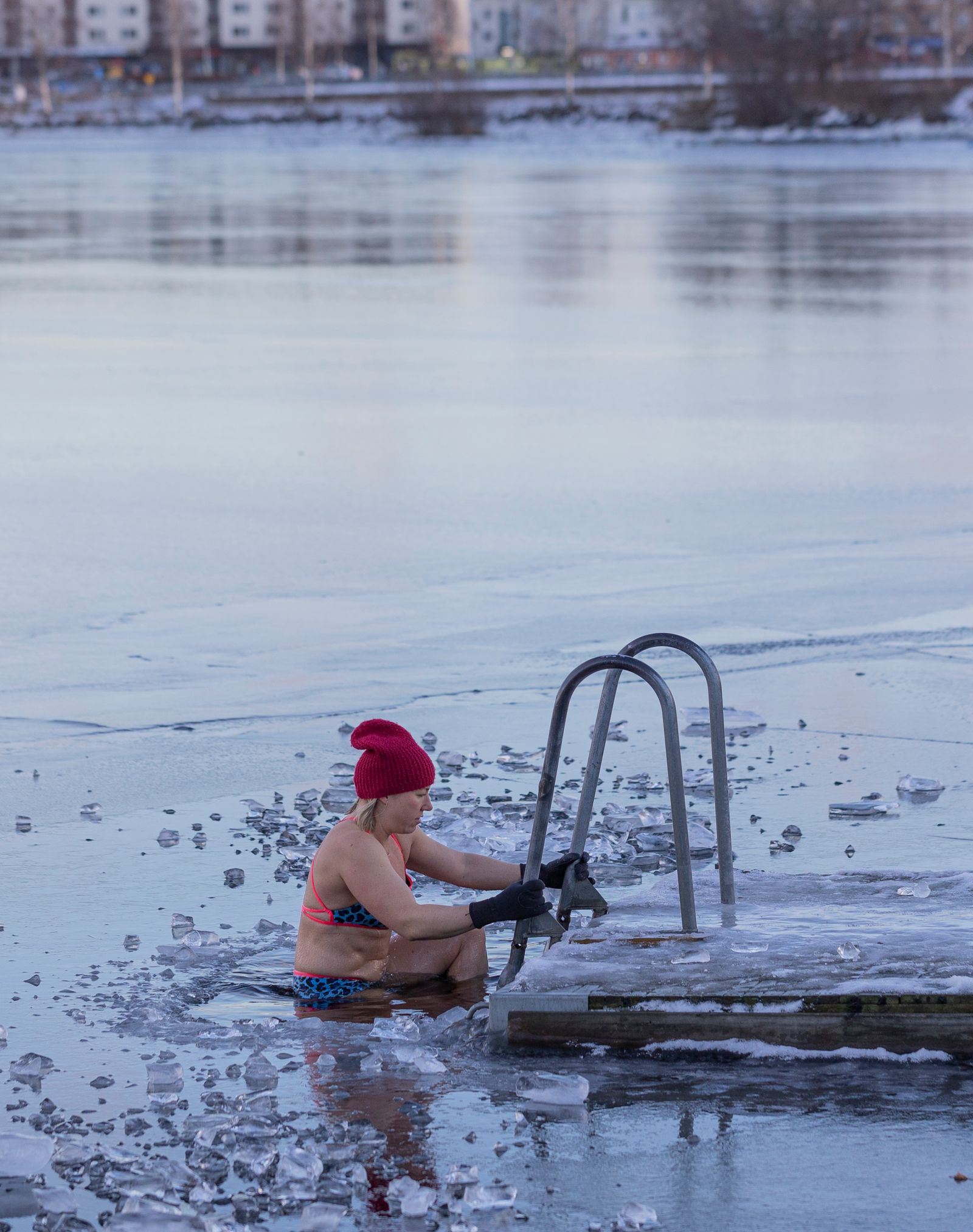
What Does a Practical Protocol for Home Use Look Like?
If you’re healthy and just starting out with cold exposure, stick to a conservative version of the proven scheme. The goal isn’t a record, but a repeatable ritual.
- Warm-up: 3–5 minutes in the hot tub at 38–39 °C. The body warms through, blood vessels dilate, and muscles relax.
- Cold: 30–60 seconds in water at 10–15 °C. Submerge to your shoulders and breathe slowly and calmly — consciously lengthen your first breaths after entering.
- Repetition: 3–4 cycles in total. Move briskly between phases, but never run on a slippery surface.
- Finish: end on cold for recovery and an energy boost, or on heat for evening relaxation and better sleep. Both are legitimate — let your goal decide.
Beginners can shorten the cold phase to 15–20 seconds and keep the temperature toward the upper end (14–15 °C). Extend it gradually, over weeks, not days. A total cold dose of around 2–4 minutes per session is plenty — staying in ice water longer doesn’t increase the benefits, it just raises the risk of hypothermia.
How to Put Together a Home Setup: Hot Tub + Cold Plunge
The hot tub takes care of the warm half of the setup — it holds a steady 38–40 °C, filters the water, and runs year-round. If you’re still choosing a hot tub, check out our guide on how to choose a hot tub and factor in the costs described in hot tub running costs. You’ll find our range in the hot tubs category.
The cold half can be solved in several ways — from a barrel filled with tap water for a few thousand crowns to an actively chilled cold plunge with filtration. The key difference is comfort and temperature stability: unchilled water follows the air temperature, so in summer you won’t get below 20 °C without ice, whereas a chiller unit holds a set 5–10 °C in any weather.
| Cooling Option | Water Temperature | Approximate Price | Operation and Maintenance | Who It’s For |
|---|---|---|---|---|
| Cold shower | approx. 10–15 °C (depends on mains water) | 0 Kč (€0) | none | complete beginners, testing whether cold exposure suits you |
| Ice bath / barrel without chilling | weather-dependent, ice needed in summer | from approx. 3,000–15,000 Kč (€120–600) | frequent water changes, manual ice top-ups | seasonal use, limited budget |
| Cold plunge with chiller unit and filtration | steady approx. 3–10 °C | from approx. 50,000–250,000 Kč (€2,000–10,000) | filtration + water sanitation, low running costs | year-round regular training, maximum comfort |
| Plunge pool / small pool | season-dependent, active chilling optional | from approx. 150,000 Kč (€6,000) | standard pool maintenance | anyone who wants to combine cold exposure with swimming and garden design |
| Natural water (pond, river) | season-dependent, 1–5 °C in winter | 0 Kč (€0) | none, but zero control over conditions | experienced cold-water swimmers, never alone |
We covered the trend of small chilling pools in detail in our article on plunge pools and small pools. And don’t forget that even a small volume of cold water needs care — without sanitation, a tub quickly turns into a biotope. The same basics apply as with a hot tub; see hot tub chemistry step by step.
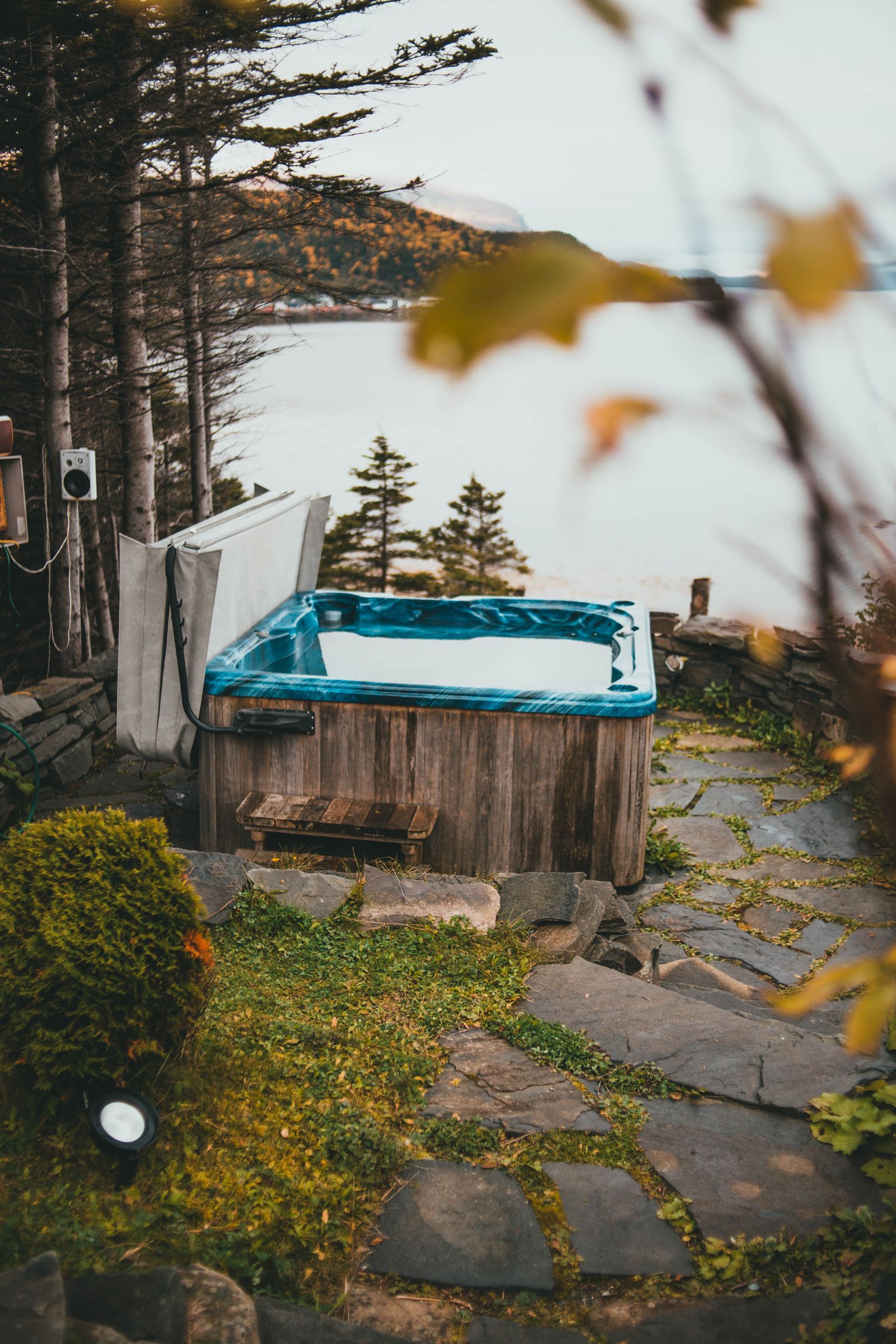
The Most Common Beginner Mistakes
Most bad experiences with contrast therapy don’t come from the principle itself, but from overambition at the start. Avoid these mistakes:
- Water that’s too cold right from the start. Plunging into water below 5 °C without adaptation triggers a strong cold shock with gasping for breath. Start at 14–15 °C and only lower it after a few weeks.
- Unnecessarily long plunges. More minutes in the ice don’t mean more benefits. The target dose is 2–4 minutes of cold per session — anything beyond that is just a risk of hypothermia and shivering that can last for hours.
- Holding your breath and hyperventilating. The key to getting through the first few seconds is a slow, extended exhale. Aggressive breathing techniques have no place in the water — they can lead to loss of consciousness.
- Overheating before the plunge. Sitting in a hot tub above 40 °C for a long time before the cold phase puts extra strain on the circulatory system. Keep the hot phase to a reasonable 3–5 minutes.
- Neglected water in the tub. Cold water spoils more slowly than hot water, but not forever. Without filtration or sanitation, change it after a few uses.
Safety: Who Contrast Therapy Isn’t For
Cold shock is a real strain on the body — heart rate and blood pressure both spike sharply. That’s exactly why the AMA and cardiologists warn that contrast therapy isn’t for everyone. Consult a doctor beforehand if any of the following applies to you:
- Cardiac arrhythmia. Cold lowers the threshold for arrhythmia to occur — in predisposed individuals, a plunge can trigger a rhythm disturbance.
- Untreated high blood pressure. Sharp vasoconstriction raises blood pressure further; with uncontrolled hypertension, the risk of stroke increases.
- Coronary artery disease and vascular conditions. Vessel constriction can worsen blood flow to the heart and limbs.
- Pregnancy, epilepsy, and sensory disorders (e.g., neuropathy). Only ever after consulting a doctor.
And a few universal rules for everyone: never go into ice water alone, don’t submerge your head, don’t combine the therapy with alcohol, and skip it if you have a cold or a fever. Watch the hot phase too — above 40 °C in the hot tub, safe stay times shorten and your tolerance for the cold that follows drops. If you’re curious how the health effects of heat compare in general, read our article on hot tub vs. sauna.
Frequently Asked Questions (FAQ)
How often should you do contrast therapy?
For most people, 2–4 times a week for 15–20 minutes total makes sense. Consistency and gradual adaptation matter more than frequency — the body takes weeks to get used to cold. Daily practice isn’t necessary, and for strength training, cold right after exercise can blunt muscle growth.
Should I finish with heat or cold?
It depends on your goal. If you want to feel energized and support recovery, finish on the cold phase — hot tub manufacturers recommend this too. If you use the ritual in the evening to unwind and sleep better, finish with heat in the hot tub. Physiologically, both options are fine.
Is a cold shower enough instead of a cold plunge?
To start, yes — a shower at 10–15 °C triggers a similar acute response, and it’s a free way to check whether cold exposure suits you. A plunge is more intense, though, because the water surrounds your whole body at once and draws heat away faster. Once a shower stops being enough, a tub or cold plunge is the logical next step.
What should the water temperature be in a hot tub and a cold plunge?
The hot phase should be 38–40 °C (40 °C is the maximum for hot tubs), and the cold phase 10–15 °C for regular users. Advanced cold-water enthusiasts go below 10 °C, but at that point you should significantly shorten your time and never be near the water alone.
Is contrast therapy suitable for children and seniors?
Children and seniors regulate their body temperature less effectively, so caution is warranted: milder temperatures, shorter times, and supervision at all times. For seniors with any cardiovascular condition, consulting a doctor is a requirement, not just a recommendation.
Conclusion: A Trend That Makes Sense — In Moderation
Contrast therapy deserves the attention it’s getting: it’s a simple, enjoyable, and reasonably well-supported tool for short-term recovery that turns a hot tub and a cold-water tub into a home wellness circuit. Just don’t expect the miracles that social media promises — and if you have any heart or blood pressure issues, see a doctor first. You’ll find the warm half of the setup in our hot tubs range, and accessories for home relaxation in the wellness category.
